Breaking News

GLOBAL Wi-Fi NEWS bulletin

Is your company’s Wi-Fi network inadvertently opening doors to cyber threats? Are employees and visitors putting company data at risk every time they connect their personal devices? With over 60% of data breaches linked to unsecured network access, understanding your Wi-Fi setup has never been more critical.

The convenience of wireless connectivity has blurred the lines between accessibility and security, making it essential for businesses to differentiate between guest Wi-Fi, regular Wi-Fi, and public Wi-Fi to protect sensitive information.

This article explores the differences between these types of networks, the risks associated with public Wi-Fi, the advantages of implementing guest Wi-Fi, and practical steps to safeguard your business. We’ll delve into how choosing the right Wi-Fi setup can enhance user experience while maintaining robust security measures.

Defining Guest Wi-Fi, Regular Wi-Fi, and Public Wi-Fi

What is Regular Wi-Fi?

Regular Wi-Fi refers to the primary wireless network used internally by a company’s employees. It provides access to internal resources, applications, and sensitive company data. Security measures typically include strong encryption protocols like WPA3 and authentication methods such as WPA2-Enterprise. Access is restricted to authorized personnel, making this network critical for daily business operations and requiring robust protection against unauthorized access.

What is Guest Wi-Fi?

Guest Wi-Fi is a separate network provided by businesses for visitors and employees’ personal devices. It requires authentication, such as a password or login credentials, but is segregated from the company’s regular Wi-Fi network. This segregation ensures that guests cannot access internal resources or sensitive data. Guest Wi-Fi protection includes encryption, authentication, and the implementation of Wi-Fi filters to control access and monitor usage, enhancing overall network security.

What is Public Wi-Fi?

Public Wi-Fi refers to open networks accessible to anyone within range, commonly found in public spaces like airports, cafes, and parks. These networks are typically unencrypted and unsecured, lacking authentication requirements. Public Wi-Fi protection is minimal, making them vulnerable to cyber threats such as man-in-the-middle attacks, data interception, and malware distribution.

Guest or Public Networks–Which is Safer?

Guest networks are safer due to controlled access and enhanced security measures, reducing the risk of data breaches and cyber attacks.Guest Wi-Fi includes security features like encryption and authentication, while public Wi-Fi lacks these protections.

Guest Wi-Fi vs. Public Wi-Fi Comparison

Use Case/Application Guest Wi-Fi Public Wi-Fi
Internet Browsing ✔️ Common in offices, hotels ✔️ Common in cafes, parks
Email Access ✔️ Professional environments ✔️ Public venues, airports
Social Media ✔️ Hotels, waiting areas ✔️ Cafes, public squares
Online Shopping ✔️ Retail stores, showrooms ✔️ Shopping malls
Communication Apps ✔️ Conference centers ✔️ Travel hubs
Basic Work Tasks ✔️ Business meetings ✔️ Libraries, educational institutions
Security Level ✔️ High (password-protected) ❌ Low (open access)
User Authentication ✔️ Requires password/credentials ❌ Open access, login page
Access Restrictions ✔️ Restricted (content control) ❌ Minimal restrictions
Network Traffic Management ✔️ Controlled, limited users ❌ Open, high traffic
Usage Policies ✔️ Defined by host ❌ Broad access policies
Device Support ✔️ Limited number of devices ❌ Designed for many devices
Purpose ✔️ Visitor use in businesses ❌ Public access in communal areas
Network Isolation ✔️ Isolated from internal network ❌ Single network (no isolation)
Best For ✔️ Corporate offices, hotels, healthcare, professional services Airports, parks, malls, cafes, public libraries


The Risks of Public Wi-Fi

Public Wi-Fi networks are ubiquitous, offering convenient internet access in places like airports, cafes, hotels, and parks. Designed to prioritize ease of access, public Wi-Fi typically allows anyone within range to connect with minimal barriers. While this accessibility is undeniably convenient, it comes at the cost of security. Public Wi-Fi networks often lack robust protective measures, making them prime targets for cyber threats. Understanding the risks associated with public Wi-Fi is essential for both users and providers to protect sensitive data and maintain network integrity.

Lack of Encryption and Authentication

Public Wi-Fi networks are typically open and unencrypted, meaning data transmitted over these networks is not secured. Without encryption, any information sent or received—such as emails, passwords, or financial details—can be intercepted by malicious actors using simple tools.

Man-in-the-Middle Attacks

One of the most common threats on public Wi-Fi is the man-in-the-middle (MITM) attack. In this scenario, a hacker intercepts communication between the user and the internet, potentially altering or stealing sensitive data without the user’s knowledge.

Rogue Hotspots and Evil Twin Attacks

Cybercriminals may set up rogue hotspots or “evil twin” networks that mimic legitimate public Wi-Fi networks. Unsuspecting users connect to these fake networks, inadvertently giving attackers access to their devices and data.

Malware Distribution

Unsecured networks can be used to distribute malware. Hackers can exploit vulnerabilities in a user’s device to install malicious software, which can lead to data theft, device hijacking, or inclusion in a botnet for larger-scale attacks.

What are the main challenges of protecting Public Wi-Fi?
Difficulty to Implement Security 

Public Wi-Fi providers often prioritize accessibility over security. Implementing strong security measures can complicate the user experience, potentially deterring customers from using the service.

Users Unaware

Many users are unaware of the risks associated with public Wi-Fi. They may not use Virtual Private Networks (VPNs) or other protective measures, leaving their devices and data exposed.

Limited Resources

Smaller businesses offering public Wi-Fi might lack the resources or expertise to implement advanced security protocols, making their networks particularly vulnerable to exploitation.


The Advantages of Guest Wi-Fi

In contrast to public Wi-Fi, guest Wi-Fi offers a secure and controlled environment for both businesses and users. Implementing a guest Wi-Fi network can significantly reduce security risks while enhancing user experience. Here’s how guest Wi-Fi stands out as a superior option for protecting your network and data.

The Advantages of Guest Wi-Fi Protections
Enhanced Security Measures

Guest Wi-Fi networks are designed with security in mind. By creating a separate network for guests and employee personal devices, businesses can isolate their main internal network from potential threats. This network segmentation ensures that even if the guest network is compromised, sensitive company data and systems remain protected.

Use of Encryption and Authentication

Guest networks typically employ strong encryption protocols like WPA3, ensuring that data transmitted over the network is secure. Requiring users to authenticate— whether through a password, voucher system, or captive portal—adds an additional layer of security by preventing unauthorized access.

Implementation of Wi-Fi Filters and Firewalls

Wi-Fi filters can block access to malicious websites and restrict the download of harmful files. Firewalls monitor incoming and outgoing network traffic based on predetermined security rules, acting as a barrier between secure internal networks and untrusted external networks such as the internet.


Control and Customization with Wi-Fi Filters

Content Filtering

Businesses can use Wi-Fi filters to manage the type of content accessible over their guest network. This includes blocking sites that are inappropriate or pose security risks, such as those containing malware or phishing schemes. Content filtering not only enhances security but also helps maintain a professional environment.

User Policies and Network Monitoring

Implementing user policies allows businesses to define acceptable use of the guest network. Policies can limit bandwidth per user, restrict certain types of traffic (like streaming or peer-to-peer sharing), and set time limits for access. Network monitoring tools provide real-time insights into network usage, helping administrators identify and address unusual activity promptly.

Device Management

Advanced guest Wi-Fi systems enable businesses to manage connected devices actively. They can detect unauthorized devices, enforce compliance checks, and even push security updates or restrictions to ensure all connected devices meet the company’s security standards.

TL;DR

In today’s interconnected world, providing Wi-Fi access is a necessity for businesses across various industries. However, this convenience comes with the responsibility to protect company data and user information from constant cyber threats. Understanding the differences between guest Wi-Fi, regular Wi-Fi, and public Wi-Fi is crucial for making informed decisions about network security.

RUCKUS Edge extends the AI-driven RUCKUS One cloud platform to the edge—enabling centralized control and performance management for networking, security, productivity and purpose-driven industry vertical services deployed at the edge

October 21, 2024 Claremont, NC

CommScope (NASDAQ: COMM), a global leader in network connectivity, announced today the launch of its RUCKUS Edge™ cloud-managed edge platform for service delivery. Built on the AI-driven RUCKUS One® network assurance and business intelligence platform—the RUCKUS Edge platform extends the cloud-based RUCKUS One platform to the edge of the network to enable the rapid deployment and simplified management of a variety of services and applications.

The RUCKUS Edge platform utilizes AI-enabled cloud-based orchestration, together with an edge appliance as a local service delivery point, to enable customers to deploy scalable, low-latency networking, security, and productivity services as well as purpose-driven industry specific vertical services.

RUCKUS Edge is fully integrated with the RUCKUS One platform, retaining advantages of AI-driven assurance and cloud-based management. At launch, the solution will offer a zero-touch, virtual LAN service called SD-LAN, available in the RUCKUS One service catalog that customers can deploy onto the RUCKUS Edge appliance with a single click.

“RUCKUS Edge is a significant product enhancement that enables lower latency and enhanced service resiliency for businesses seeking to manage their networks using cloud-management services,” said Chris DePuy, founder and technology analyst, 650 Group. “Additionally, by extending the company’s RUCKUS One service catalog to its Edge system, the company can enable the deployment of a diverse array of services from both RUCKUS and third-party offerings. We see the company’s service catalog approach will enable a means of incrementally offering AI services to improve network operations.”

Key Features and Benefits of RUCKUS Edge

  • Simplified Deployment and Management: Centralized cloud-managed platform automates tasks through web interface and mobile app to reduce operational complexity.
  • Scalability and Flexibility: RUCKUS Edge can scale to address the needs of a broad range of organizations from small to large. Multiple edge appliances can be clustered to load balance and distribute workloads across multiple devices.
  • Improved Security and Privacy: VXLAN based SD-LAN service enables isolated virtual network segments that can span across the campus, to provide different user groups with easy to deploy, secure and custom access to network resources.
  • Reduced Latency and Faster Data Transmission: The RUCKUS Edge appliance improves performance by processing traffic closer to the user.
  • Seamless Roaming Within the Site: The solution enables seamless Wi-Fi® roaming across campuses and properties without interrupting user connections, preserving connected devices’ IP addresses while users roam from one Wi-Fi AP to the next.
  • Pay-as-You-Go Model: Flexible, subscription-based pricing allows organizations to pay only for what they use, reducing total cost of ownership.
  • High Availability and Reliability: Redundant, clustered edge appliances can be deployed for critical sites to boost network resilience and minimize downtime.
  • AI-Driven Assurance and Insights: RUCKUS One leverages AI to deliver network assurance and enable IT to detect and resolve incidents before they impact services and users.
  • Converged Management Across IT and IoT/OT Networks: Hybrid cloud platform allows management of both wired and wireless LAN environments, as well as IoT networks, for seamless network integration and minimal operational silos.

“We’re taking a bold step forward by extending the capabilities of our AI-Driven network assurance and business intelligence platform, RUCKUS One, to the edge of the network,” stated Bart Giordano, SVP and president, Networking Intelligent Cellular and Security Solutions, CommScope. “The RUCKUS Edge platform enables RUCKUS Networks and its trusted technology partners to deliver a variety of networking, security, and productivity services at the edge of the network to enhance security, privacy, performance and user experience.”

Proven in Campus Network Deployments
“Deploying RUCKUS Edge has been a game-changer for Wewoka Public Schools,” said Stephen Howard, IT director, Wewoka Public Schools. “The simplified network configuration through overlay networks has significantly reduced resources required from our lean IT staff—minimizing the complexity of VLAN provisioning across switches and APs. Centralized, AI driven cloud-based management has streamlined our operations, making deployment and oversight much more efficient. Additionally, the automated guest internet access is seamless and secure, ensuring that our network remains protected while providing a smooth experience for visitors. RUCKUS Edge has truly transformed our approach to network management and security.”

“With the transformative shift to cloud, managing our campus networks with the combination of RUCKUS One and RUCKUS Edge has given us incredible visibility, scale and roaming capabilities,” said Jason Guntharp, associate director of Telecommunications and Information Services, Itawamba Community College. “With over 5,000 students and staff moving across our campuses daily, seamless Wi-Fi roaming has become crucial; RUCKUS Edge delivers a seamless experience throughout our campuses. Additionally, the ability to create custom virtual networks for student residents has empowered us to provide a personalized connectivity experience. RUCKUS has made it remarkably easy for our IT team to configure and manage our network efficiently.”

Availability and Demos
The RUCKUS Edge platform is available globally for RUCKUS One customers. At launch, the RUCKUS One catalog offers services developed by RUCKUS. The RUCKUS Edge and RUCKUS One platforms will be demonstrated at EDUCAUSE in San Antonio, TX, October 21-24, booth #8062. For more information, please visit the RUCKUS website.

–END–

CommScope and the CommScope logo are registered trademarks of CommScope and/or its affiliates in the U.S. and other countries. For additional trademark information see https://www.commscope.com/trademarks. Wi-Fi is a trademark of the Wi-Fi Alliance. All other product names, trademarks and registered trademarks are property of their respective owners.


About CommScope:
CommScope (NASDAQ: COMM) is pushing the boundaries of technology to create the world’s most advanced wired and wireless networks. Our global team of employees, innovators and technologists empower customers to anticipate what’s next and invent what’s possible. Discover more at www.commscope.com.

New resources will accelerate Wi-Fi development for engineers and developers worldwide
SYDNEY and IRVINE, Calif., Oct. 17, 2024 – Morse Micro, the world’s leading provider of Wi-Fi HaLow solutions, today announced the launch of multiple open-source GitHub repositories, along with a Community Forum. This initiative offers a robust collection of assets, tools, and resources, designed to support and empower the global developer community. Both the repositories and forum are available for free, catering to engineers, developers, and tech enthusiasts interested in advancing Wi-Fi HaLow technology.
As of today, Morse Micro’s GitHub repositories contain the software and tools necessary to bring up Wi-Fi HaLow on Linux based projects. Additionally, the Morse Micro community, powered by Discourse, is a dedicated platform where users can engage in discussions, share knowledge, seek advice, troubleshoot and contribute to Wi-Fi HaLow-related projects. The forum also serves as a space to discuss broader connectivity topics, facilitating collaboration across the global Wi-Fi HaLow community.
By launching these resources, Morse Micro reinforces its commitment not only to advancing Wi-Fi HaLow technology but also to fostering a culture of continuous learning and development. With these centralized platforms, developers and Morse Micro’s partners can access the latest software releases, seek expert guidance, and collaborate with peers to drive innovation.
“At Morse Micro, we believe in the power of community,” said Michael De Nil, co-founder and CEO of Morse Micro. “With over 100 million GitHub users and an ever-growing community on Discourse, we’re excited to create an environment where developers can connect, share ideas, and innovate together. Our goal is to make Wi-Fi HaLow technology more accessible, relevant, and adaptable to users’ needs while supporting skill development and industry-wide collaboration.”
 
Morse Micro’s GitHub repositories can be accessed here: https://github.com/MorseMicro
Morse Micro’s Community Forum can be accessed here: https://community.morsemicro.com/  
 
About Morse Micro
Morse Micro is a leading Wi-Fi HaLow fabless semiconductor company based in Sydney, with global offices. As the world’s premier Wi-Fi HaLow company, we pioneer next-gen IoT wireless connectivity solutions. Morse Micro is now sampling its Wi-Fi CERTIFIED HaLow MM6108 production silicon: the fastest, smallest, lowest power and longest-range Wi-Fi HaLow chip available in the market. Learn more at https://www.morsemicro.com/.

IRVINE, Calif.–(BUSINESS WIRE)–TP-Link Systems Inc., a global leader in networking and smart home solutions, today announced the establishment of its new global headquarters in the United States. This strategic move marks a significant milestone for the company, solidifying its presence in the U.S. market and enhancing its global competitiveness.

“The relocation of our global headquarters to the United States represents a pivotal moment in TP-Link’s history, reinforcing our commitment to the U.S. market and enhancing our ability to innovate and compete on a global scale”

To support this move, TP-Link Global and TP-Link USA have merged to form TP-Link Systems Inc., serving as the parent company overseeing all regional and international offices. Previously, TP-Link operated dual headquarters in Singapore and Irvine, California. The new entity serves as the central hub for the company’s worldwide operations, with all offices reporting directly to the U.S.-based global headquarters.

“The relocation of our global headquarters to the United States represents a pivotal moment in TP-Link’s history, reinforcing our commitment to the U.S. market and enhancing our ability to innovate and compete on a global scale,” said Jeff Barney, the newly appointed president of TP-Link Systems Inc. “We’re dedicated to contributing to the local economy, creating jobs, and continuing to deliver innovative product offerings that meet the evolving needs of our customers in the U.S. and across the globe. By establishing our global headquarters here in the United States, we’re not just expanding our presence – we’re making a long-term commitment to American consumers and businesses.”

With more than 25 years of technology industry experience, Barney previously served as COO of TP-Link USA Corp., leading the rapid market share gains of the company’s retail business.

This strategic shift reinforces TP-Link’s dedication to product innovation and market leadership in the networking and smart home industries. Leveraging its global expertise and vision, TP-Link is poised to enter a new era of growth and innovation, with the United States at the center of its global operations.

For more information, please visit www.tp-link.com.

About TP-Link Systems Inc.

Headquartered in the United States, TP-Link Systems Inc. is a global provider of reliable networking devices and smart home products, consistently ranked as the world’s top provider of Wi-Fi devices. The company is committed to delivering innovative products that enhance people’s lives through faster, more reliable connectivity. With a commitment to excellence, TP-Link serves customers in over 170 countries and continues to grow its global footprint.

PARIS, France – October 10th, 2024 – SoftAtHome, a leading software provider for broadband, video, and analytics, proudly congratulates Swisscom on winning Connect’s broadband and fixed network test 2024 in Switzerland for the fourth time in a row.

Swisscom’s achievement is backed by SoftAtHome’s software platform, which powers the operator’s Customer Premises Equipment (CPE) for the latest Internet-Box and WLAN-Box generations. These advanced gateways use SoftAtHome solutions for Wi-Fi management and optimised QoS mechanisms for throughput and latency to ensure the highest-quality connectivity for Swiss households.

“We are thrilled to see Swisscom’s recognition as the best network in Switzerland for a fourth consecutive year,” said Arnaud de Bellivier de Prin, CEO at SoftAtHome. “Our collaboration has enabled Swisscom to offer unmatched user experiences, leveraging our software to provide high-speed, reliable, and secure connectivity through their entire portfolio of CPE devices at home.”

Swisscom’s award-winning status is driven by the integration of SoftAtHome’s Wifi’ON and Connect’ON technologies, which enable seamless device onboarding and sophisticated WLAN channel selection. The partnership between the two companies has been pivotal in delivering exceptional quality of service, even as Swisscom continues to expand its broadband coverage and enhance its broadband offerings.

With continued investment in innovation and a strong focus on sustainability, Swisscom and SoftAtHome are committed to maintaining their leadership in network quality and user satisfaction.

“We are committed to providing the best connectivity and WLAN experience to our customers, and it’s an honour to be recognised once again,” said Marcel Burgherr, Head of Home Devices at Swisscom. “The continued collaboration with SoftAtHome enables us to deliver superfast and reliable Internet connections through our cutting-edge Internet- and WLAN-Boxes, helping us to enhance our leadership in network quality.”


About SoftAtHome

SoftAtHome is an independent software provider with seven critical solutions: broadband (Connect’ON), Wi-Fi (Wifi’ON), security (Secure’ON), smart home (Things’ON), video (Watch’ON), analytics and QoE monitoring (Eyes’ON), and a new gateway Appstore environment (Orchestr’ON). With its products deployed in over 30 million home networks and millions of mobile devices, SoftAtHome helps telecom and network operators deliver enhanced digital home experiences. The company’s 300+ employees, mainly software engineers, are committed to innovation and actively contribute to open-source communities like prpl. SoftAtHome’s hybrid solutions leverage cloud-based components and software embedded in multiple mobile and fixed devices. For more information: www.softathome.com or [email protected]


For Press Information Contact:

Marta Twardowska-Rienks for SoftAtHome

E: [email protected] – M: +31 621-184-585 – T: @SoftAtHome

About Swisscom

Swisscom is the leading ICT company in Switzerland and, with Fastweb, the strongest challenger in Italy. The company offers mobile, Internet and TV, as well as comprehensive IT and digital services to private and business customers. Swisscom is the most sustainable telecommunications company in the world and is 51% owned by the Swiss Confederation.

For more information, visit :

— Plume WorkPass for Very Small Businesses (VSBs), and Plume Uprise for Multi-Dwelling Units (MDUs) are offered first by J:COM in Japan; Plume HomePass Residential Services Suite is now available also to Fiber-To-The-Home (FTTH) subscribers –

PARIS, Oct. 9, 2024 /PRNewswire/ — Network X — J:COM, Japan’s largest Multiple System Operator (MSO), and Plume, the creator of the world’s first SaaS experience platform for communications service providers (CSPs) and their subscribers, have expanded their partnership beyond the residential segment with new services across Japan. The new services include WorkPass, featuring a bespoke solution for very small businesses; and Uprise, enabling property owners and managers to provide turnkey experiences for Multi-Dwelling Unit (MDU) tenants with seamless connectivity, access controls, and property management.

Additionally, J:COM is now broadening its Plume-powered offerings beyond its cable infrastructure to J:COM’s residential subscribers on its fiber-to-the-home (FTTH) footprint. Already widely deployed in Japan across J:COM since 2019, and many other smaller MSOs in syndication with J:COM since 2020, the Plume HomePass suite of services offers the highest possible quality experiences over secure, managed WiFi and J:COM’s ultra-high-performance broadband connections.

“J:COM continues to invest in best-in-class experiences with our partner Plume, and we are excited to explore new business opportunities in the small business and MDU segments in Japan,” said Mr. Yoichi Iwaki, President and Representative Director of J:COM. “We value our long-standing relationship and are excited to grow with Plume in market segments beyond residential. Our ability to leverage the same, scalable cloud platform across residential, small business and MDU market segments creates tremendous operational efficiencies, flexibility, forecast tolerance, and savings.”

Powering all three solutions across these market segments under the hood is Plume’s Haystack services suite which learns from a base of over 60 million locations and billions of devices and applications. Haystack leverages a massive, proprietary data set and AI for real-time access, analytics, insights, and both reactive & preemptive network operations and support actions.

“We are honored and thrilled to be expanding our relationship with J:COM and leaning-in with additional, market leading services together,” said Fahri Diner, Founder and CEO at Plume. “We believe that J:COM is the leading provider of ‘4D-Broadband’ in Japan – broadband measured not only along downlink and uplink Speeds, but also along the vectors of Reliability, Consistency, and Availability. Delivering delightful end-user experiences for every application, on any device, for anyone, anytime, anywhere is the ultimate catalyst for sustainable growth and subscriber loyalty – we are excited about combining our platform with J:COM’s 4D-Broadband to make all of this happen in Japan.”

Learn more about WorkPass
Learn more about Uprise
Learn more about Haystack

About Plume

Plume is the creator of the world’s first SaaS experience platform for communications service providers (CSPs) and their subscribers, deployed in more than 60 million locations globally. As the only open and hardware-independent, cloud-controlled solution, Plume enables the rapid delivery of new services for smart homes, small businesses and beyond, at massive scale. On the front end, Plume delivers self-optimizing, adaptive WiFi, cybersecurity, access, parental controls and more. CSPs get robust data- and AI-driven back-end applications for unprecedented visibility, insights, support, operations and marketing. Plume leverages OpenSync®, an open-source framework that comes pre-integrated and supported on the leading silicon, CPE and platform SDKs.

Plume, OpenSync, WorkPass, HomePass, Uprise and Haystack are either trademarks or registered trademarks of Plume Design, Inc. Other company and product names are used for informational purposes only and may be trademarks of their respective owners.

Visit: plume.com
Follow Plume on LinkedIn and Instagram

Media queries: [email protected]

About JCOM Co., Ltd. Established in 1995, JCOM Co., Ltd. (J:COM) is Japan’s largest multiple system and multiple channel operator. In system operation, J:COM provides cable television, high speed internet access, telephony, mobile, electric power service, and services based on IoT devices to customers through 11 consolidated subsidiaries at the local level serving 5.68million subscribing households in Sapporo, Sendai, Kanto, Kansai, and Kyushu-Yamaguchi regions. The number of serviceable households or “homes passed” in J:COM franchise areas is 22.42 million. In channel operation, J:COM invests in and operates 14 thematic channels which are provided to CATV, satellite and telecom operators.

RDK and MediaTek Unveil New Hardware Reference Platform for Wi-Fi 7 Broadband CPE

  • New reference board to enable operators, CPE manufacturers, and app developers to easily and rapidly test and launch next-gen RDK-B routers, gateways, and applications   
  • MediaTek collaborates with RDK to create new broadband reference board based on Banana Pi open-source hardware project 

PARIS, October 3, 2024 – In advance of the annual NetworkX conference, RDK Management and MediaTek unveiled a new RDK-B hardware reference platform designed to enable broadband operators, CPE manufacturers, and app developers to rapidly test and launch new Wi-Fi 7 RDK-B routers and gateways. By combining open-source hardware powered by MediaTek with RDK’s open-source software, companies now have an easy-to-use platform to accelerate their RDK-B development and deployment efforts.

RDK is an open-source software solution deployed on more than 100 million devices that standardizes core functions used in broadband and video devices. For broadband specifically, RDK-B provides core functionalities including device management, telemetry, Wi-Fi services, Ethernet access, IPv6 transitioning and more that work across all major network access technologies including DOCSIS, GPON, DSL, and Fixed Wireless Access (FWA). By packaging and open sourcing these functions in a single standard software stack, service providers can develop, deploy, and manage a consistent set of broadband services across SoCs and OEMs for use across their networks and geographic footprints.

“This new open reference hardware, powered by MediaTek, gives the RDK community a powerful new tool to innovate with next-gen broadband applications and services atop of RDK-B,” said Jason Briggs, President and General Manager of RDK. “By leveraging both open-source software and open-source hardware, companies can accelerate their RDK development and deployment initiatives in an easier and more frictionless way. MediaTek is recognized for delivering cost-effective and high-quality SoC solutions, and we’re very grateful for their efforts to bring this compelling new RDK-B reference board to the RDK community.”

“As a global leader in wireless connectivity, MediaTek’s collaboration with RDK Management underscores our commitment to driving Wi-Fi 7 technology to more markets like the open-source community,” said Alan Hsu, Corporate Vice President, Intelligent Connectivity Business Unit at MediaTek. “We strive to provide the fastest, most reliable and always-on Wi-Fi performance, which is ideal for the MediaTek Filogic 880 tri-band platform as the chosen solution on the Banana Pi-R4 Wi-Fi 7 router reference design. This will not only enable us to reach a broader developer base in the open-source community, but it will also allow easy access for operators, manufacturers and developers who seek to adopt open-source software with the latest connectivity features.”

Technical Specs

The new Banana Pi BPI-R4 router board gateway is powered by MediaTek Filogic 880 SoC. It provides a unique single-chip MLO (Multi-link operation) architecture that optimizes performance in Wi-Fi 7 networks designed to dramatically lower latency compared to alternatives. The BPI-RF router also includes:

  • 4 GB DDR4 (Double Data Rate 4 Random Access Memory) RAM
  • 8 GB eMMC (embedded MultiMediaCard)
  • 128 MB SPI-NAND (Serial Peripheral Interface NAND) flash
  • MicroSD card slot and 1x M.2 KEY-M (PCI-Express 3.0 x1) for NVMe SSDsn (Non-Volatile Memory Express Solid-State Drives)
  • Network interfaces include 2x 10Gb SFP (Small Form-factor Pluggable); 4x GbE(Gigabit Ethernet); plus support for 4G/5G nano SIM cards with M.2 B-Key (USB 3.2) for a cellular adapter card and 26-pin GPIO (General-Purpose Input/Output) for expansion and customization opportunities
  • iPA (Integrated Power Amplifier) Network Interface Card fits the 2x mini-PCI-E slots on the rear side of the board. It contains Filogic chips providing 2.4GHz (4T4R) 5GHz (4T4R) and 6GHz (4T5R), plus dedicated SM/DFS Spectrum Management/Dynamic Frequency Selection) antenna
  • MediaTek’s unique 4T5R platform allows for improved Receive Diversity and supports MRC (Multiple Receive Combining) that boosts 6GHz band throughput and range

The Banana Pi reference board is available to purchase online at Amazon.com, and the newest RDK-B software code to flash onto the device will be available in Q4 2024.  More information about RDK is at www.rdkcental.com.

About RDK Management

RDK Management is an open-source consortium that manages RDK for the global community. RDK is an open-source software solution that standardizes core functions used in broadband, video, and IoT devices. Deployed on more than 100 million devices, RDK enables service providers to control their device diagnostics data, business models, and apps to improve the customer experience and drive business results. The RDK community is comprised of more than 600 companies including CPE manufacturers, SoC vendors, software developers, system integrators, and service providers. For more information on the tools, training, and events provided by RDK Management, please visit: www.rdkcentral.com.

According to Statista, the global Industrial Internet of Things (IIoT) market is expected to grow from 544 billion U.S. dollars in 2022 to about 3.3 trillion U.S. dollars by 2030. While this presents a huge potential for hardware suppliers operating in the space, it also heightens the need for highly scalable and intelligent systems to manage exceptionally complex and often geographically dispersed communications networks.

As a key pillar of Industry 4.0, IIoT powers digital transformation through a connected network of assets. Harnessing automation, AI, ML, cloud, and edge computing technologies with advanced networking capabilities, it streamlines processes through analytics-enabled productivity optimization to refine and improve industrial operational processes.

Through the interconnected network of assets, the IIoT ably supports the integration of business processes and management systems across industries such as mining, manufacturing, utility, energy management and oil and gas.

The IIoT stack is a layered combination. At the base is the device layer consisting of the hardware, covered with the network layer of communications protocols, followed by the service layer of applications, and topped with the content layer of user interface devices.

The digital network is the integrating element and the fuel that powers the IIoT.

Digital Transformation Powering IIoT Adoption

The need to remain relevant and competitive is driving industries to effect digital transformation by adopting the latest technology solutions. While IIoT enhances efficiency through operational technologies (OT) that monitor, detect, and control physical devices, processes and events, high-performance wireless connectivity is critical to running the systems and processes. Consistent, seamless network connectivity is the cornerstone, making network health monitoring and management an imperative for smooth functioning.

The convergence of operational and informational technologies is giving rise to smart, intelligent processes which support machine-to-machine communications. These use a blend of automation, remote monitoring and predictive maintenance capabilities for precise operations, speed and control of equipment and processes.

Power of Partnerships

While industries adopt, onboard, and invest in cutting-edge emergent technologies for their core processes, external specialist software that optimizes processes beyond core systems plays a significant role. Such specialist software enhances functionalities, contributing towards efficient resource usage and increased productivity. These expert-developed solutions allow enterprises to focus on their core operations while avoiding the high costs and scope limitations associated with developing such specialized tools in-house.

Partnering with a process optimizer is a valuable addition which helps in evaluating current improvements to identify and remediate inefficiencies and eventually deliver a superior experience.

This is where solution providers such as Aprecomm provide real value to enhance performance and ROI by ensuring consistent, reliable, and always-on systems.

Nokia’s MXIE: revolutionizing IIoT

The Nokia MX Industrial Edge (MXIE) is a future-ready solution that uses powerful on-premises OT edge to allow enterprises to process machines and industrial systems data at the source in real time while retaining data sovereignty. Nokia’s MXIE is successfully accelerating the digitalization of Industry 4.0 use cases for asset-intensive industries like mines, ports, energy utilities, warehouses, and factories.

The Nokia Digital Automation Cloud (DAC) is a private wireless connectivity solution powered by MXIE designed to provide deterministic and pervasive connectivity to accelerate the digital transformation of industrial operations technology (OT) environments. It can now offer to concurrently run Wi-Fi (DAC WiFi).

Aprecomm’s automated support and Nokia’s MXIE: powering a new age in IIoT

In the latest development, Nokia has chosen to enrich their DAC WiFi solution with Aprecomm AI-powered network performance-optimizing capabilities. Aprecomm’s solutions will be available in the MXIE application catalog to help enhance DAC WiFi’s performance starting in the final quarter of 2024.

Why Aprecomm?

Aprecomm’s applications suite promises to enable industrial enterprises to optimise WiFi performance across their operations, also providing access to advanced data and analytics to monitor their networks and streamline operations, reducing costly downtime and bringing greater performance insight. The partnership includes the integration of Aprecomm’s software into Nokia‘s DAC Wi-Fi solution elements.

This new partnership marks a new application for Aprecomm’s CX applications suite that has helped both broadband service providers and businesses transform their approaches to connectivity. By using sophisticated artificial intelligence—including a unique quality of experience algorithm—Aprecomm is paving the way to an advanced monitoring and troubleshooting approach to managed WiFi, tuning the network to the unique needs of the specific operation and application in real time.

Aprecomm as an enabler and optimizer

As a network intelligence platform, Aprecomm is a leading, globally present enabler. Since its inception, Aprecomm has successfully enabled homes and enterprises to use optimizer solutions.

With its advanced, intuitive network maintenance and management capabilities, the scope for Aprecomm’s suite deployment has evolved and is now well-placed to meet the need for ensuring uninterrupted, seamless connectivity in mission-critical industrial applications.

The upcoming partnership with Nokia is a testament to its relevance and suitability. Aprecomm promises seamless connectivity through its intelligent, intuitive network solution that monitors, measures, and remediates, using AIOps to resolve, warn and rebalance the Wi-Fi network proactively.

Making use of the potent combination of automation, AI, and ML, the Aprecomm suite of products is primed to deploy, integrate, and operate smoothly, with minimal downtime, making it an unmatched feature.

Additionally, Aprecomm’s interoperability makes it a tech-agnostic offering, eliminating any concerns about incompatibility issues. Lastly, scalability is a major advantage, given the exponential growth in device numbers since the widespread adoption of industrial IoT technologies.

Network connectivity is the backbone of Industry 4.0

Securing high-speed, reliable Industrial connectivity is a top priority in an industrial environment.  Connectivity is crucial to IIoT. The IIoT is a fast-expanding realm of connected devices and sensors with additional pressure to speed up time-to-process, reduce latency and enhance real-time decision-making.

The success of IIoT depends on the ability to connect with gateways, apps, servers, routers, and other devices. Execution of tasks too can happen only when they can communicate machine to machine and exchange data. Industrial connectivity demands extensive coverage, elastic bandwidth, low latency, data security, and data throughput without adversely impacting cost.

The solution lies in smart remote monitoring and managing of networks, leveraging network intuitive, self-healing Aprecomm offerings that are designed to meet such demands.


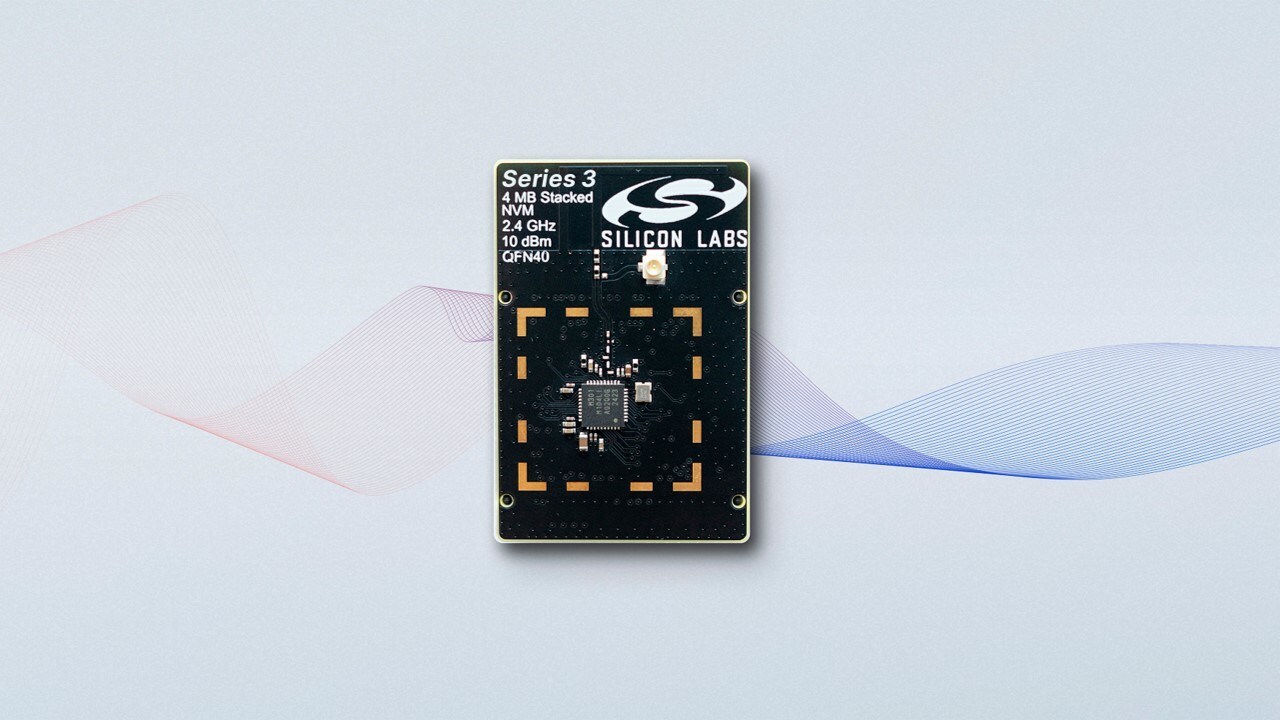
AUSTIN, Texas, Oct. 8, 2024 /PRNewswire/ — Silicon Labs, a leader in secure, intelligent wireless technology for a more connected world, delivered the opening keynote for the inaugural embedded world North America today, with CEO Matt Johnson and CTO Daniel Cooley discussing how AI is driving a revolution in IoT, while detailing the continued success of the company’s growing Series 2 platform and upcoming Series 3 platform.

“AI is rapidly becoming a key growth catalyst that will enable the number of IoT devices to reach over a 100 billion in the next decade,” said Silicon Labs President & CEO Matt Johnson. “Our upcoming Series 3 platform’s unparalleled capabilities and productivity will unlock new applications and new capabilities across a vast range of industries, from manufacturing and retail to transportation, healthcare, energy distribution, fitness, and agriculture, helping transform each sector in remarkable ways.”

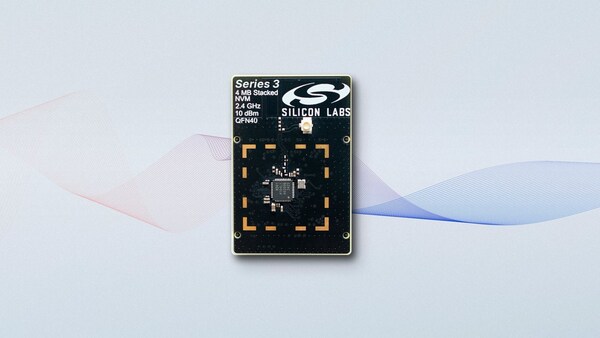
To realize this vision, IoT devices need to bring powerful upgrades in connectivity, compute, security, and AI/ML capabilities. Silicon Labs today revealed more information on the Series 3 platform that will make that a reality.

Series 3 SoCs Will Feature World’s Most Nimble Modem, Most Secure and Scalable Memory

Series 3 devices will be able to answer the challenges that the continued acceleration of IoT poses: demands for more processing power at far-edge devices across all IoT applications in key areas including, but not limited to, smart cities and civil infrastructure, commercial buildings, retail and warehouses, smart factories and Industry 4.0, smart homes, connected health, and the demand for increasingly portable, secure, compute-intensive applications. They do this by addressing the key needs of the growing IoT:

  • Connectivity: The full Series 3 portfolio will include dozens of products covering all major protocols and frequency bands, to connect just about anything. The first Series 3 device is designed to include the world’s most flexible IoT modem, capable of true concurrency on three wireless networks with micro-second channel switching.
  • Compute: Series 3 devices will be multicore, with Arm Cortex-M application processors and dedicated co-processors for the radio and security subsystems as well as dedicated high performance machine learning subsystems for select devices. With the most scalable memory architecture in its class, combined with Cortex-M processors ranging from a Cortex-M33 at 133 MHz to dual Cortex-M55s running over 200 MHz, Series 3 devices enable complex applications and embedded real-time operating systems.
  • Security: All Series 3 devices will support Silicon Labs Secure Vault High, with additional features like Authenticated Execute in Place to allow trusted communication between the device and the cloud. Series 3 will also have the world’s most secure memory interface, hardening one of the primary vectors of attack when intruders gain physical access and protecting the device maker’s IP. Series 3 will also incorporate the National Institute of Standards and Technology’s recently released post-Quantum encryption standards.
  • Smart: Select Series 3 devices will feature Silicon Labs’ second-generation Matrix Vector Processor, which offloads complex ML operations off of the main CPU onto a specialized accelerator designed to increase ML performance by up to 100x in wireless, battery-powered devices, drastically reducing power draw.

A key driver in the design for this IoT revolution is data, which flows between edge devices to the cloud and back again. This two-directional flow makes IoT edge devices an ideal partner in the growing world of AI. Not only can the devices be used to make limited decisions at the edge, like smart thermostats that assess ambient temperatures and adjust a home’s HVAC, but also with the advent of massive cloud-based AI applications, edge devices can also play a critical role as data collectors and apply their ML abilities to filter the valuable data from the chaff better. The ability to identify and transmit the data for the “corner cases” that AI operators value to make their systems more intelligent.

The first Series 3 SoC is currently being sampled by customers, and more information will be revealed in the first half of 2025.

Series 1 and Series 2 SoCs Continue to Break the Air Gap

Silicon Labs Series 1 and Series 2 devices continue to be successful in helping to scale the IoT, provide secure, robust connectivity, and open up new applications. The Silicon Labs Series 2 platform grows today with the general availability of a family of new Wi-Fi 6 and Bluetooth LE ICs: the SiWG917 wireless MCU (SoC), the SiWN917 network-co-processor for hosted applications, and the SiWT917 radio co-processor IC targeted for applications running higher end operating systems.  The SiWx917 family is designed from the ground-up for ultra-low-power Wi-Fi 6 applications, offering up to 2 years battery life on a single AAA battery in select IoT applications.

Earlier this year, Silicon Labs announced the BG26 and MG26 devices for Bluetooth and 802.15.4 connectivity. These wireless SoCs are built to be future proof as the needs of the IoT grow and feature the same Matrix Vector Processor for dedicated machine learning as the upcoming Series 3. The MG26 and BG26 doubled their predecessor’s Flash, RAM, and GPIO, and this innovation earned them one of IoT Evolution’s Product of the Year awards.

Silicon Labs Series 2 devices also serve an emerging area around Ambient IoT. This exciting new technology allows IoT devices to draw power from ambient sources in their environment, like indoor or outdoor ambient light, ambient radio waves, and kinetic motion. In partnership with PMIC manufacturer e-peas, Silicon Labs announced the xG22E, a new ultra-low power variant of the xG22 wireless SoC that has a substantially reduced power budget and advanced sleep/wake engines that allow it to operate within the ambient IoT power envelope. This broadly applies to sensors, switches, and commercial applications like electronic shelf labels.

There is still more to come for Series 2 in 2025 and Series 1, Series 2, and Series 3 will co-exist as strong offerings for vast amount of IoT applications.

Learn More About the Future of IoT at the Silicon Labs Works With Developers Conference

These SoCs are just a few members of the broadest portfolio of wireless SoCs and MCUs designed for the IoT. There is no other IoT vendor that matches the breadth, depth, and expertise of Silicon Labs.

To convey that expertise to IoT developers and designers, Silicon Labs is hosting its fifth annual Works With Virtual Developers Conference on November 20 and 21. Free to attend, Works With is the premier developer event for the IoT with over 30 sessions, keynotes, and labs, they can hear about the trends shaping the IoT from experts at Silicon Labs and other industry leaders.

Register for Works With 2024 Virtual and begin building an agenda today.

About Silicon Labs 
Silicon Labs is a trailblazer in wireless connectivity for the Internet of Things. Its integrated hardware and software platform, intuitive development tools, and unmatched ecosystem support make Silicon Labs the ideal long-term partner in building advanced industrial, commercial, and home and life applications. Silicon Labs leads the industry in high performance, low power, and security with support for the broadest set of multi-protocol solutions.

The COVID-19 world dynamic has changed how businesses distribute goods and services, how personnel go about their everyday activities, and what sorts of services they provide. This has majorly impacted many sectors of the industry while others have had to adapt majorly. Many companies were forced to lay off employees, shutter branches and operations, and even close permanently.

COVID-19 limits infrastructure and transport sales to businesses, creating numerous new market problems. Managed service providers (MSPs) are challenged with generating new income sources as a result of these negative consequences. Big problems like the cloud migration trend and rising unpredictability among the customers have proved to be huge. At such times, an MSP needs insightful and 247 available services that can help networks in terms of big data and critical insights. This is where the Virtual Wireless Expert from Aprecomm comes in.

Problems Faced by Wireless Monitoring Networks

Because of the virus outbreak shutdowns, 51% of MSPs saw a monthly revenue drop. Many consumers found themselves were unable to process payments provided under MSP contracts.

According to another survey, the top MSP issue in 2020 due to the pandemic would be company development, followed by financial challenges, sales and marketing, and adapting to client demands. Remote access and working remotely are now driving the most substantial improvements in MSP services, with new income streams such as business operations and entrepreneurial ecosystem solutions. With such a trend, the role of the Virtual Wireless Expert by Aprecomm could be pivotal. With the addition of gaining insights and having a well-rounded network management system, MSPs could be able to get back on their feet easily.

Understanding Wireless Network Monitoring

Wireless network monitoring is a service that continually monitors and verifies a wireless channel’s smart devices, such as routers, network connections, and laptops. Wi-Fi efficiency and reliability are improved with monitoring tools, ensuring that links are never dropped or slowed. Now that staff are controlled remotely and efficiency is dependent on solid connectivity, these factors are critical for businesses of all sizes.

Businesses rely on high-quality networks that can manage conversations, video calls, video broadcasts, uploads and transfers, and other activities. There are many more gadgets to care for than it’s ever been, including Internet of Things (IoT) equipment like watches, in addition to pandemic issues and remote work. Organizations may find it difficult to deal with the ensuing congestion and connection issues that these technological advances bring.

Performance measurement is the key to improved Wi-Fi because that allows issues to be handled sooner and potentially corrected well before end-user notices. For many industries today, Wireless monitoring has changed the game. In order to keep operating efficiently, industries such as finance, healthcare, and others will have to take serious strides.

Why Network Monitoring Has Become Increasingly Important Today

As part of their managed hosting services, MSPs may begin assisting clients in locating and resolving WLAN problems. Customers want options that will continually monitor Wi-Fi results in line with contractual requirements (SLAs), give key information, track the correct metrics, and provide the user with Wi-Fi analytics in a straightforward manner. Teams also want immediate warnings when the WLAN falls below previously established benchmarks.

Every Managed Service Provider needs that one thing in their profile that sets them apart. With the help of Aprecomm’s Virtual Wireless expert, there can be a world of enhancements to the services provided. With the help of the Virtual Wireless Expert network monitoring services, you will be able to avail yourself a world of benefits such as:

  • Set up mobile devices with end-to-end surveillance configured
  • Be able to technologically be at your employee’s service as and when required
  • Keep an eye out and be vigilant across all access-point-connected SLA’s
  • Include even more service offerings as a part of your MSP profile
  • Have multiple revenue streams come in to help MSPs benefit along with their clients
  • Be able to offer reliant and flexible services to the client even during uncertain economic times

Enhancing your services provides additional help to consumers while also boosting your income possibilities.

The advantages grow when you offer devices or network connections that will be used in new distant Wi-Fi settings. Wireless network monitoring solutions that incorporate mobile security tools will provide proactive information into how the network services and actions to proactively develop or create systems.

Conclusion

With the help of network monitoring services, wireless networks could be perceived altogether in a different way. These networks would be ideal sources of information and crucial data for Managed Service Providers along the way. By offering network monitoring services like that of Aprecomm’s Wireless expert, many clients would benefit greatly from the wide range of services available. This added stream of services will also generate better income, creating a win-win situation for everyone.