





Breaking News

GLOBAL Wi-Fi NEWS bulletin

HOW IS WIFI 7 DIFFERENT FROM WIFI 6/6E?

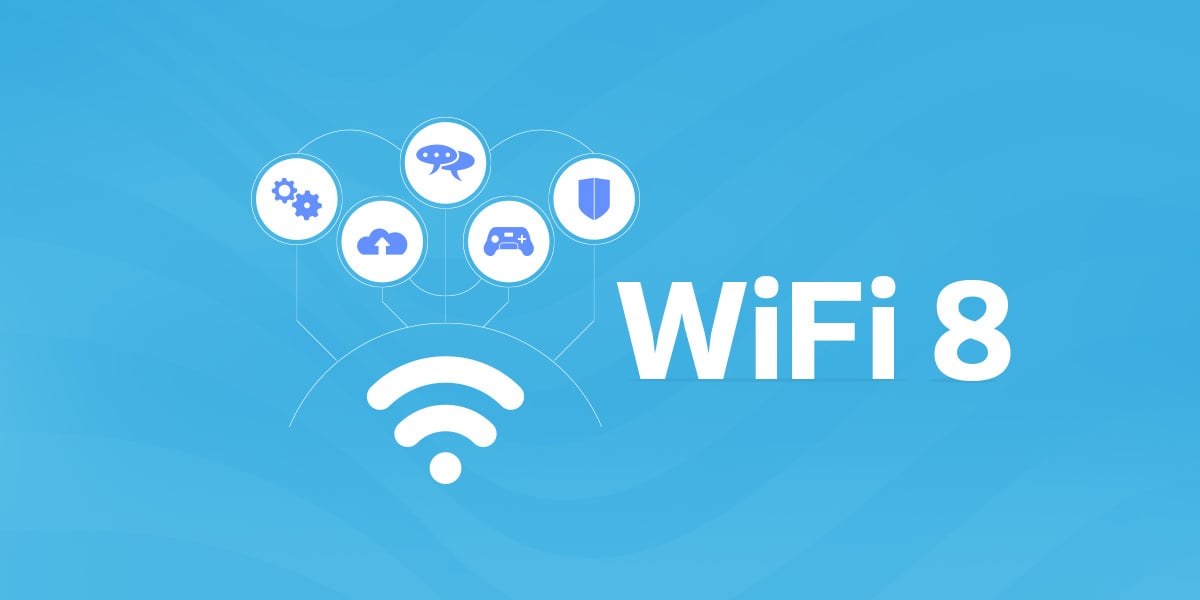
WiFi 7 offers benefits that are a quantum leap forward from WiFi 6 and WiFi 6E. With its faster speeds, lower latency, and significant capacity increases, WiFi 7 the new wireless standard is a major evolution of WiFi 6 and 6E, bears much in common with those earlier standards but with some significant improvements to meet our growing requirements. What has changed, what is still the same, and when should you upgrade? Let’s have a look.

What’s new in the WiFI 7 Standard?

  • 46Gbps – 4.8X FASTER SPEED
  • Up to 2.4x Faster for the same WiFi configuration
  • 320MHz – 2X BANDWIDTH
  • 4096 QAM – X DATA DENSITY

Faster speeds

Most exciting and noteworthy, WiFi 7 will be much faster than WiFi 6. For the same WiFi radio configuration, the speeds will be 2.4x faster. So, maximum speeds with a typical mobile phone with WiFi 7 can reach up to 5Gbps. As the Internet speed offered by internet service providers (ISPs) continues to grow, WiFi 7 helps to ensure your home is ready for 10 Gigabit internet speeds as they become available.

But what makes these incredible speeds possible? They’re due to the next two major upgrades.

Greater channel width

Each WiFi band operates in smaller bands of 20/40/80/160MHz MHz for connecting to individual devices. WiFi 7 doubles the bandwidth to 320MHz. Effectively, this doubles the WIFi speeds to individual devices and adds a lot more bandwidth to support more devices.

More data density

WiFi 7 increases not only speed and bandwidth but also the amount of data that can be encoded onto a radio signal. This is measured by a standard known as quadrature amplitude modulation (QAM). Where WiFi 6’s QAM limit was 1024, WiFi 7 offers an impressive 4096 (or 4K; the standard is also known as 4K QAM), boosting its peak rates to increase throughput. Each symbol transmitted can now carry 12 bits rather than 10 bits, meaning 20% higher theoretical transmission rates.

Both the greater channel bandwidth (320MHz) and more data density (4K QAM) account for the 2.4x improvement in WiFi speeds between WiFi 6 and WiFi 7.

Other significant Improvements in WiFi 7

Multi-Link Operation (MLO)

Currently routers can support multiple WiFi bands- 2.4, 5 & 6GHz, but WiFi clients connect using one of the WiFi bands. With WiFi 7, routers will be able to connect across two different bands to a client device.

Imagine two highways leading to your destination. MLO is similar to giving these highways the flexibility to either spread the traffic across both routes or to quickly move traffic from one highway to another if one gets congested.

Mesh systems would especially benefit from MLO as it would allow for a router and a satellite both capable of transmitting simultaneously across two different bands to get the best performance. This feature will also be very useful for switching from one band to another on your mobile device without losing the connection. If you are on a Zoom call and walk from the center of the house to the backyard, WiFi 7 will allow your device to switch from 6GHz to 5GHz to 2.4GHz without dropping the call or buffering.

Flexible channel utilization

One key limitation with WiFi is that any kind of interference impacts the entire channel. With “puncturing,” if a portion of a channel gets impacted due to interference, that portion alone can be blocked while continuing to use rest of the channel for data transfer. This makes WiFi more resistant to interference and ensures critical flow and latency are not impacted. Going back to our highway example, using WiFi 6 a pothole in a lane can make that lane unusable, but with WiFi 7 you can block the pothole and drive around and still use rest of the lane.

What hasn’t changed?

  • SAME THREE BANDS
  • LIGHTNING-FAST SPEEDS
  • MASSIVE BANDWIDTH
  • LIMITED DEVICE SUPPORT

With WiFi 7’s incredible specs, it’s easy to overlook the fact that it builds on WiFi 6 & 6E features and infrastructure. As noted above, WiFi 6 and WiFi 7 both offer the same three bands, including the lightning-fast 6GHz band. Both feature tremendous bandwidth. And both WiFi 6E and WiFi 7 have technology providers still playing catch-up, with new devices being introduced to unlock the full potential of either standard. Even in the shadow of the forthcoming WiFi 7, WiFi 6E should still be considered a cutting-edge technology.

Should you upgrade to a WiFi 7 Router?

WiFi 7 Router Specs Nighthawk RS700SWiFi 7 is definitely the future of wireless: at some point in the future, we will all be using WiFi 7 routers and devices. Until then, most users will still find their needs met by WiFi 6 and WiFi 6E networks, especially ones provided by proven, rock-solid routers and mesh systems such as our Orbi and Nighthawk devices.

One thing to consider is the kind of mobile device you carry. At present, Apple’s iPhone does not support WiFi 6E, so a WiFi 6 network will deliver peak performance to iPhone users. Those with the latest Windows laptop or Android phones, which support WiFi 6E, should consider upgrading to a WiFi 6E network if they haven’t already. Such a system will provide superb performance for years to come.

Buying a WiFi router is an investment in upgrading your home WiFi infrastructure so it’s ready not only for today’s devices but also for upcoming gear. If you’re planning to upgrade your phones or laptops in the next couple of years, these devices will most likely support the latest WiFi standard. So, it is highly recommended that to protect your investment and get a router or mesh system based on the latest WiFi technology.

As WiFi 7 begins to emerge in the next year, systems supporting its premium features will certainly start being introduced in the market. Demanding users who plan to future-proof their home network for the next couple of years should consider adopting WiFi 7 devices when they are available. Serious gamers will appreciate the standard’s low latency and quick responsiveness. Those who engage frequently in VR/AR for work or pleasure will benefit from WiFi 7’s incredible speeds and low latency. And those who always want the latest and greatest will enjoy knowing that their network will be ready to make the most of their future product purchases for quite a while.

Of course, the best experience on any of these WiFi 7 standards is with a NETGEAR router or mesh system. We have WiFi 7 offerings in both the Orbi and Nighthawk family designed with high standards for the best routers and mesh systems that offer unsurpassed speed, capacity and security in their categories.

ANAHEIM, California (April 15, 2025) Zyxel Networks, a leader in delivering secure, AI- and cloud-powered business and home networking solutions, today announced its USG FLEX H series firewalls have been upgraded to combine both cloud and on-premises network security into a single seamless solution for small- and medium-sized businesses and managed service providers.

Unlike most hybrid firewalls that treat cloud and on-premises security as separate entities, USG FLEX H series firewalls incorporate Smart Sync to provide synchronized security policies, network objects, and high availability settings across multiple devices. The integrated solution streamlines management, enhances efficiency, and delivers a unified, scalable, and future-proof network experience whether managed via Nebula or directly on the device interface, all settings are synchronized.

To provide SMBs with comprehensive, up-to-date defense against the latest security threats from day one, USG FLEX H series hardware-only firewalls now come equipped with Zyxel Networks’ new Entry Defense Pack (EDP) license, which includes Reputation Filter, SecuReporter analytics, and Priority Support. USG FLEX H Bundle models come equipped with complete network security Gold Security Pack, unlocking all security features the product is capable of, including Sandboxing, Ransomware protection, content web filtering, and more.


Benefits and Features of USG FLEX H Series Security Firewalls

  • Ultra-High Performance – Next-generation multi-core hardware and Fastpath technology minimize packet processing time, reduce latency, and accelerate traffic flows to provide ultra-high efficiency. User-definable ports that range from 2.5 to 10 Gbps can be configured as WAN or LAN to minimize effort when deploying complex wired and wireless networks.
  • AI-driven, Multi-layered Solution – USG FLEX H series firewalls deliver three times the firewall, VPN, and Unified Threat Management (UTM) performance compared to their predecessor. Zyxel’s AI-driven, multi-layered protection includes IKEv2/EAP and SSL VPN, sandboxing, anti-malware, DNS/IP/URL filtering, IPS, and application patrol to defend against emerging threats. Nebula cloud integration enforces two-factor authentication (2FA) on organization-level admin access, as well as Microsoft Entra ID sign-in to authenticate users accessing the Nebula wireless AP captive portal to prevent unauthorized access to critical resources.
  • Flexible, Hassle-free Management – USG FLEX H series firewalls are easily managed as standalone or centrally-managed devices through Zyxel’s Nebula Cloud Management. Using Nebula Cloud, network administrators can monitor device on/off status, initiate firmware upgrades, manage firewall licenses, access remote GUIs via a Nebula Secure connection, and backup and restore firewall configurations. Network administrators can quickly onboard devices using the Nebula app and seamlessly switch between the device GUI or Nebula Control Center to manage the network, ensuring secure connections and centralized management of the network devices from a single pane of glass. Nebula provides critical information needed to troubleshoot or audit security threats when used in conjunction with SecuReporter, which is included as part of the Entry Defense Pack or Gold Security Pack licenses.


Zyxel USG FLEX H Series Security Firewalls include:

  • USG FLEX 100H Firewall – Features eight GbE Ethernet ports – $299.99* (street)
  • USG FLEX 100H Firewall (Bundled) – Features eight GbE Ethernet ports + one year Gold Security License Pack – $399.99*
  • USG FLEX 100HP Firewall – Features eight GbE Ethernet ports with one as GbE/PoE (802.3at, 30W total) – $399.99*
  • USG FLEX 100HP Firewall (Bundled) – Features eight GbE Ethernet ports with one as GbE/PoE (802.3at, 30W total) + one year Gold Security License Pack – $499.99*
  • USG FLEX 200H Firewall – Features two 2.5 GbE and six GbE ports – $399.99*
  • USG FLEX 200H Firewall (Bundled) – Features two 2.5 GbE and six GbE ports + one year Gold Security License Pack – $549.99*
  • USG FLEX 200HP Firewall – Features two 2.5 GbE and six GbE ports with one as GbE/PoE (802.3at, 30W total) – $499.99*
  • USG FLEX 200HP Firewall (Bundled) – Features two 2.5 GbE and six GbE ports with one as GbE/PoE (802.3at, 30W total) + one year Gold Security License Pack – $649.99*
  • USG FLEX 500H Firewall – Features two 2.5 GbE, two 2.5 GbE/PoE (802.3at, 30W total), and eight GbE Ethernet ports – $799.99*
  • USG FLEX 500H Firewall (Bundled) – Features two 2.5 GbE, two 2.5 GbE/PoE (802.3at, 30W total), and eight GbE Ethernet ports + one year Gold Security License Pack – $1099.99*
  • USG FLEX 700H Firewall – Features two 2.5 GbE, two 10 GbE/PoE (802.3at, 30W total), and eight GbE Ethernet ports, and two 10GbE SFP+ ports – $1299.99*
  • USG FLEX 700H Firewall (Bundled) – Features two 2.5 GbE, two 10 GbE/PoE (802.3at, 30W total), and eight GbE Ethernet ports, and two 10GbE SFP+ ports + one year Gold Security License Pack – $1699.99*


* Prices subject to change without advance notice.

“The ever-increasing and changing threat environment requires robust network security solutions that provide businesses with the critical combination of strong, intelligent protection and ease of management,” stated Tri Nguyen, Channel Sales and Product Manager at Zyxel Networks. “The upgrade of our popular USG FLEX H series firewalls reflects Zyxel’s dedication to listening to the challenges faced by our SMB customers and providing a solution that addresses emerging requirements to boost security while reducing complexity.”

The new cloud and on-premises convergence features are available on USG FLEX H series firewalls running Nebula version 19.00 and firewall firmware version uOS v1.32.

Zyxel USG FLEX H Series Security Firewalls carry limited lifetime warranties and are available now through Amazon and Zyxel Store. USG FLEX H firewalls are also available through Zyxel Authorized Distributors: D&H, IngramMicro, TD Synnex, Target, and Wav, Zyxel Authorized VARs and MSPs, and other leading e-tailers.

For more information about Zyxel, its connectivity solutions, and the Zyxel Authorized Partner Program, visit www.zyxel.com/us and follow us on Facebook, X(formerly Twitter) and LinkedIn.

About Zyxel:

Zyxel Networks is a technology provider with over 30 years of experience, specializing in delivering solutions for small to medium-sized businesses and the enterprise-edge in partnership with VARs, MSPs and System Integrators. We enable network professionals to connect and protect organizations with greater ease by bringing together intuitive, scalable and secure cloud management with a complete portfolio of network devices.

For Wi-Fi 8 (802.11bn), Wi-Fi 7 (802.11be), Wi-Fi 6/6E (802.11ax)


Industry-First Wi-Fi 8 (802.11bn) and Leading Wi-Fi 7, Wi-Fi 6 and 6E Test Solution

Modern applications demand determinism and robustness, beyond just high throughput. The next-generation Wi-Fi 8 (IEEE 802.11bn) builds upon Wi-Fi 7 (IEEE 802.11be), introducing features for enhanced reliability and lower latency. Wireless devices like Access Points, VR/AR headsets and IoT devices require robust RF performance in challenging environments. This is achieved through enhanced modulation and coding schemes (MCS), distributed resource units (dRU), unequal modulation, and long-length LDPC codes for improved error correction, alongside existing Wi-Fi 7 features like tri-band operation (2.4/5/6 GHz), 320 MHz channels, 4096 QAM, up to 16 spatial streams, and multi-link operation (MLO). With the addition of Wi-Fi 8 support, LitePoint’s IQxel-MX solidifies its position as a long-standing dependable test solution you can trust for your critical testing needs.

Stay ahead of the curve with IQxel-MX as you advance your Wi-Fi 8 research and development and accelerate your high-volume production of today’s Wi-Fi 7 devices

The IQxel-MX signal generation and analysis combine high performance, simplicity of use and superior test economics to cover the test requirements during the whole product development cycle from R&D to high-volume production. The IQxel-MX family is available in three configurations: 2 ports (2 VSA/VSG), 8 ports (2 VSA/VSG), and 16 ports (4 VSA/VSG). These support up to 2×2 and 4×4 true MIMO testing (extensible for higher order MIMO) and high efficiency multi-DUT parallel testing.

Performance to Guarantee the Highest Wireless Device Accuracy

  • Industry-leading EVM ensures highest modulation accuracy
  • Superior power accuracy ensures device calibration precision
  • Expandable architecture supports high order true MIMO testing
  • Support for advanced Wi-Fi 8 physical layer features

Simplicity for Increased Test Efficiency

  • Fully-integrated signal generation, signal analysis, and RF front-end enable simple Wi-Fi 6E, Wi-Fi 7 and Wi-Fi 8 testing in the 2.4, 5 and 6 GHz bands
  • Architecture support for multi-link/multi-channel (MLO) and coexistence testing eliminates the need for external components, greatly simplifying test setup
  • Flexible and intuitive Graphical User Interface (GUI) enables both on-site and remote development

Economics for R&D, DVT and Manufacturing Test 

  • Wi-Fi 8 support ensures long term relevance and lowers CAPEX
  • Turnkey test software solutions with IQfact+ enable fast time to market and a seamless transition from product development to manufacturing
  • Multi-DUT software architecture reduces manufacturing cost by providing optimized test throughput

Designed for Wi-Fi 8, Wi-Fi 7, Wi-Fi 6E and Wi-Fi 6 Testing in the 2.4 GHz, 5 GHz and 6 GHz Bands

  • Continuous frequency range support from 400 MHz to 7300 MHz
  • Analysis bandwidth of over 320 MHz
  • Best-in-class residual Error Vector Magnitude (EVM) floor to ensure the highest measurement accuracy for 4096 QAM
  • Comprehensive testing capabilities for IEEE 802.11bn (Wi-Fi 8), 802.11be (Wi-Fi 7), IEEE 802.11ax (Wi-Fi 6/6E) and legacy Wi-Fi standards
  • Support for test and measurement of advanced Wi-Fi 8 physical layer features including enhanced long range PPDU (ELR-PPDU), new MCS rates, 2xLDPC codes, unequal modulation and distributed RU
  • Signal generation covers OFDMA RU and multi-RU (MRU) assignments
  • Signal analysis covers all EHT PHY standard measurements for transmitter (spectral mask, flatness, frequency error, constellation error and more) and receiver (sensitivity, ACR and more)

Wide Range of Connectivity Technologies (Bluetooth® and Bluetooth® Low Energy 5.x, Channel Sounding, HDT 802.15.4, DECT, LPWAN)

  • Tests all Bluetooth® device standards (1.x, 2.x, 3.0, 4.x), Bluetooth 5.x AoA and AoD, as well as the Bluetooth Channel Sounding (CS) and Higher Data Throughput (HDT) functionality
  • Connectivity standards DECT (ETSI EN 300 176-1), 802.15.4 PHY based standards including ZigBee, Z-Wave and WiSUN
  • Test support for LPWAN technologies LoRa and Sigfox

Turnkey Solutions for Leading WLAN and Bluetooth® Chipset Manufacturers

  • Start testing immediately with IQfact+™ software solutions for leading WLAN and Bluetooth® chipsets
  • Growing library of hundreds of chipset-specific test solutions save setup time and development costs
  • Fully backward compatible with existing LitePoint connectivity test systems

Available Technology Options for WLAN, Bluetooth®, IoT and LPWAN

  • Wi-Fi, 802.11bn (Wi-Fi 8)
  • Wi-Fi, 802.11be (Wi-Fi 7)
  • Wi-Fi, 802.11ax (Wi-Fi 6, Wi-Fi 6E)
  • Wi-Fi, 802.11ac (Wi-Fi 5)
  • Wi-Fi, 802.11a/b/g/j/n/p
  • Wi-Fi, 802.11af
  • Wi-Fi, 802.11ah (HaLow)
  • Wi-Fi, 802.11az Next Generation Positioning (NGP)
  • Wi-Fi, 802.11ba Wake Up Radio (WUR)
  • Bluetooth®, Classic/EDR (1-4.x), Low Energy (4.0, 4.1, 4.2), Bluetooth® (5.0, 5.1, 5.2, 5.3) and Bluetooth Channel Sounding (CS), Higher Data Throughput (HDT)
  • Zigbee, Z-Wave and Wi-SUN
  • DECT
  • LPWAN: Sigfox, LoRa

A little more than a year since it was certified by the Wi-Fi Alliance, Wi-Fi 7 is making inroads as the latest generation of communications technology to offer users ubiquitous wireless device connectivity. As each successive generation of Wi-Fi grows in signal complexity, companies incorporating hardware test into their Wi-Fi product tool chain are advised to give equal weight to test software to ensure optimal system performance.

Wi-Fi 7-enabled electronics, including smartphones, are already reaching store shelves. The Wi-Fi Alliance estimates that more than 233 million Wi-Fi 7 devices entered the market last year, with projections exceeding two billion by 2028.

Expectations for such rapid adoption are driven by the much higher data transfer speeds, larger network capacity and lower latency of Wi-Fi 7 compared to Wi-Fi 6/6E. As I noted in my recent blog on the state of Wi-Fi, Wi-Fi 7, also known as IEEE 802.11be, increases quadrature amplitude modulation by a factor of four to 4096 QAM, doubles channel density to 320 MHz and adds Multi-Link Operation (MLO), which enables devices to transmit on multiple frequencies simultaneously.

The significant performance leap dictates that automated test and measurement equipment generates and analyzes complex RF signals to ensure standard compliance, device interoperability and the functional co-existence of Wi-Fi 7 with other wireless technologies. This extends to test software, which, for better or worse, many companies traditionally have chosen to develop internally.

Wi-Fi 7 Stresses Conventional Testing Schemes

Without a comprehensive testing framework, Wi-Fi 7 is prone to performance issues such as latency, bandwidth and range limitations as well as interference from Bluetooth® and older-generation Wi-Fi devices.

At the physical layer, Wi-Fi 7 warrants more stringent Error Vector Magnitude (EVM) testing to evaluate RF transceiver performance. This is because the denser QAM modulation of Wi-Fi 7 accommodates more data bits per symbol, which requires a higher signal-to-noise ratio to maintain signal integrity within the given frequency band.


Tighter EVM tolerances combined with sophisticated signal processing, signal interference and device compatibility requirements mean that custom test software is no longer a practical option. Vendors of Wi-Fi chipsets and access points, burdened by engineering cost constraints and a general lack of in-house RF design expertise, are discovering that developing proprietary test automation software is a cumbersome and time-consuming process that drains resources and dilutes their time-to-market advantage.

These economic factors highlight the importance of an out-of-the box hardware-software test solution that is easily deployed, quickly integrated and fully optimized for multiple environments – from design, validation and testing (DVT) to high-volume manufacturing.

LitePoint Wi-Fi Test Software Reduces Customer Design Overhead

As the leading provider of Wi-Fi test solutions, LitePoint offers a fully integrated, non-signaling tool that measures the raw radio frequency performance of every Wi-Fi standard. LitePoint’s IQfact+ software test solution supports Wi-Fi 7 chipsets – and other wireless standards – with a user-friendly manufacturing test interface, tester control, device-under-test (DUT) control and data logging in one integrated solution.


IQfact+ Software


IQfact+ taps into LitePoint’s library of more than 350 chipset profiles, which is by far the largest in the industry. And as a turnkey test solution, it can be deployed in hours, compared to traditional test automation options, which take weeks or months to deploy and require intimate knowledge of tester and DUT control.

The software is supported by a dedicated team of LitePoint application engineers who are embedded within leading chipset companies to optimize performance of Wi-Fi 7 chipsets and ensure compatibility with legacy technologies.

Software Test Paves the Way for Wi-Fi Preparation

Wi-Fi 7 brings significant advantages to consumers but introduces rigorous test challenges for device vendors. LitePoint’s IQfact+ is a turnkey software solution that reduces test development time while enabling device makers to retain control over the test processes that optimize the performance of their products.

With the greatest breadth of Wi-Fi chipset support from DVT to high-volume test, LitePoint’s out-of-the box approach to test automation means that manufacturers can focus their time and resources on bringing innovative products to market, not on writing test software or integrating solutions from numerous vendors.

As a marketing team, utilizing Wi-Fi to engage guests and build loyalty is a key component to a comprehensive omni-channel data collection strategy. GoZone’s usage-based Wi-Fi marketing pricing model offers a unique solution tailored to meet the needs of venues with specific budgetary challenges. By charging licensing fees tied to the actual Wi-Fi usage and the data collected instead of per access point, this model turns Wi-Fi into a cost-effective tool to amplify your marketing efforts while only paying for data collected.

Why Usage-Based Pricing Stands Out

GoZone’s approach adapts perfectly to the characteristics of certain types of venues:

  1. Large Properties with Extensive Access Points: Many large venues, such as resorts or convention centers, have numerous Wi-Fi access points, but only some are actively used by guests. With usage-based pricing, you avoid overpaying for unused access point licenses while still gaining valuable data from active sessions. This ensures that every dollar invested contributes directly to actionable marketing insights.
  2. Seasonal Venues or Limited-Season Locations: For stadiums, arenas, or other venues with peak activity during specific seasons, usage-based pricing provides flexibility. You only pay for the data and sessions during your high-demand periods, eliminating unnecessary costs during off-seasons.

Turning Wi-Fi into a Marketing Asset

Instead of simply offering Wi-Fi as a guest convenience, GoZone’s model enhances your marketing capabilities:

  • Actionable Insights: Each guest session captures valuable data that you can use to develop highly targeted marketing campaigns, fuel loyalty programs, and send personalized offers.
  • Improved Guest Satisfaction: With no cost to patrons for access, guests enjoy free connectivity while your team gains tools to better engage, retain, and convert them.
  • Cost-Effective Strategy: Usage-based pricing ensures you only pay for the sessions and data you actually leverage, making it an efficient option for venues with fluctuating or selective Wi-Fi usage patterns.

By aligning your Wi-Fi infrastructure with your venue’s unique operational profile, GoZone’s model helps transform guest connectivity into a driver of loyalty and growth. Whether you’re managing a sprawling property with underutilized access points or a venue that thrives during limited seasons, usage-based pricing provides both flexibility and value.

Would you like to explore how this model could specifically benefit your venue’s marketing strategy? Talk to an Expert today!

Nokia launches Nokia DAC Marketplace to empower industrial enterprises to harness digital transformation

  • DAC Marketplace brings together a wide selection of industrial solutions, including Nokia and third-party devices, applications, and services available worldwide.
  • Customers and partners can easily find and deploy industrial products for their private wireless infrastructures.
  • Marketplace merchants have increased visibility among Nokia customers and partners, driving additional opportunities.

27 March 2025

Espoo, Finland — Nokia today announced the DAC Marketplace, where customers and partners can find trusted, ready-to-deploy industrial enterprise solutions, including Nokia and third-party devices, applications, and services. Nokia also announced that solutions from seven new merchants, including Accton Technology Corporation, Aprecomm, EPS, Etra Telecom, Exloc, and Ruggear, are available in the marketplace.

Nokia DAC Marketplace makes it easy for customers and partners to find and purchase Industry 4.0 solutions that integrate into the Nokia Edge Compute and AI platform for industries. The marketplace automatically adjusts offerings based on the delivery country, ensuring compliance with local legislation. It also provides partners with a simplified process for integrating and offering complementary products as part of Nokia deals, strengthening the industrial ecosystem. Additionally, the DAC Marketplace provides opportunities for merchants to increase visibility with Nokia’s extensive customer and partner base through a quick and easy ordering process.

“Nokia is committed to fostering an open and collaborative ecosystem that empowers industrial enterprises to harness the full potential of digital transformation,” said Stephan Litjens, Vice President Enterprise Campus Edge Solutions, at Nokia Cloud Networks and Services. “We are now giving customers an easy way to access Nokia and third-party solutions that expand industrial enterprises digitalization efforts and implementation of Industry 4.0 use case deployments.”

“We are thrilled that Nokia selected Aprecomm to be part of the Nokia DAC Marketplace and complement Nokia’s own portfolio, giving customers and partners easy access to solutions that help simplify and accelerate industrial digitalization. By offering access to advanced network analytics, quality of experience monitoring, and automated self-healing tools, Aprecomm enables enterprises to manage their Wi-Fi networks better, adding an important service layer to Nokia DAC Wi-Fi to achieve high reliability, optimize connected device performance and minimize downtime. When combined with MX Boost, it allows users to leverage reliable Wi-Fi and private wireless simultaneously, ensuring maximum network performance across connectivity technologies and applications,” said Pramod Gummaraj, Founder & CEO of Aprecomm.

“Nokia DAC Marketplace is a game-changer for industrial enterprises looking for reliable and rugged communication solutions. At RugGear, we are proud to offer our durable devices through this platform, enabling businesses to enhance connectivity in even the most demanding environments. With Nokia’s trusted infrastructure and our mission to deliver robust communication tools, we are empowering industries to accelerate their digital transformation journey,” said Maverick Chen, CEO at RugGear.

Nokia will exhibit at Hannover Messe 2025 in Hall 14, Stand H80, where it will showcase the Nokia DAC Marketplace.

Multimedia, technical information and related news

Webpage: Nokia DAC

Webpage: Nokia DAC partners

Webpage: DAC Marketplace

About Nokia

At Nokia, we create technology that helps the world act together.

As a B2B technology innovation leader, we are pioneering networks that sense, think and act by leveraging our work across mobile, fixed and cloud networks. In addition, we create value with intellectual property and long-term research, led by the award-winning Nokia Bell Labs.

Service providers, enterprises and partners worldwide trust Nokia to deliver secure, reliable and sustainable networks today – and work with us to create the digital services and applications of the future.

Media inquiries

Nokia Communications, Corporate

Email: Press.Services@nokia.com

Follow us on social media

LinkedIn | Twitter | Instagram | Facebook | YouTube

Governments worldwide are intensifying their efforts to drive secure interactions between their agencies, departments, organizations, and their supporting companies.

NIS2_Blog2_Thumbnail

The European Union has put forth the NIS2 Directive as a central regulation for safeguarding “essential” and “important” sectors across all of its member states. Expanding on the initial NIS Directive, NIS2 broadens its reach and raises security expectations for critical sectors, including healthcare, finance, energy, and more. It mandates enhanced cybersecurity measures, from risk management and incident response to supply chain security, network security, and business continuity planning.

In this blog, we focus on how NIS2 drives the need for secure networks and how RUCKUS® solutions and products can help companies align with NIS2 mandates.

NIS2 Directive’s Network Security Implications

NIS2 comprises ten main categories, which were highlighted in part 1 of this blog series, NIS2 Directive Explained: Strengthening Network Security. Focusing on the network security aspect, NIS2 requirements can be broken down into a number of key requirements:

  • Closely manage networks, configurations, roles, and privileges.
  • Implement and enforce secure controls and security measures for network access and allowing users to connect.
  • Utilize least privilege roles while managing the network.
  • Follow, maintain, and update documented and proven processes for making network configuration changes and taking maintenance actions.
  • Keep firmware and software up-to-date so the latest security vulnerabilities are addressed.
  • Maintain and update network asset inventory.
  • Configure wired and wireless networks to use the latest encryption for added security.
  • Configure and monitor networks with automated notification of potential security incidents.
  • Business continuity – ensure the network still functions even during security incidents.

NIS2 and RUCKUS Approach to Zero Trust Architecture as the Connectivity Solution

The network protections mandated by NIS2 may align with many of the principles of a zero-trust architecture (ZTA). Zero trust, in essence, means that a connection must never be trusted and always be verified. The RUCKUS approach to ZTA resides with the connectivity and access to the network; it involves bringing together devices and software to address the necessary components for a Zero Trust model, focusing upon access to the network and network elements. A comprehensive Zero Trust environment implements end-to-end protection by incorporating additional layers, including endpoint security, application-layer controls, and continuous identity verification.

Unlike traditional security models, zero trust assumes no implicit trust within the network and continually verifies connections to mitigate cybersecurity risks from unauthorized access or insider threats. Through robust user and device authentication, network segmentation, and continuous monitoring, RUCKUS provides the capabilities for network activity to be protected, providing organizations with a secure and scalable connectivity solution that aligns with their NIS2 compliance requirements.

Following a Zero Trust approach checks the boxes on the key NIS2 requirements listed previously, because you have to manage your networks, utilize least privilege accounts, provide secure access mechanisms to information systems, update your systems and software for security vulnerabilities, utilize encryption, and all the rest to protect your network.

RUCKUS One® Solution

The RUCKUS One comprehensive cloud-based platform is designed to streamline network management and control for both wired and wireless networks, in line with NIS2 compliance. By centralizing network operations, the RUCKUS One solution provides IT administrators with a unified interface to manage all RUCKUS network components for seamless integration and coordination. Leveraging advanced AI and analytics to optimize network performance, the platform can detect anomalies and provide actionable insights. This not only enhances the efficiency of network management but also addresses requirements for robust and resilient networks to protect against potential cyber threats.

RUCKUS-One

A key strength of the RUCKUS One solution is its comprehensive identity management capabilities. The platform allows organizations to map identity provider identities and groups (for example from a SAML IDP such as MS Entra) directly to RUCKUS One identity groups and identities. This integration requires that all devices on the network are associated with a verified identity, enabling adaptive policies that can reference these identity groups for granular network access control. This identity-centric approach is fundamental to implementing a zero trust security model to in line with NIS2.

The RUCKUS One solution also features built-in PKI (Public Key Infrastructure) capabilities, allowing it to issue device certificates through integration with Mobile Device Management (MDM) solutions such as Microsoft Intune or via self-service web portal workflows. This certificate-based authentication significantly enhances security by providing a stronger authentication method than traditional passwords.

For incident detection and response, the RUCKUS One solution integrates powerful AI capabilities that continuously monitor network behavior to identify potential security events, supporting overall security management strategies. When anomalies are detected, the system can automatically trigger alerts and send detailed information via webhooks to Security Information and Event Management (SIEM) systems or IT service management platforms. This integration capability is crucial for organizations that need to meet  24-hour incident reporting requirements, as it enables rapid escalation and documentation of security events, in line with NIS2.

The RUCKUS One solution offers a suite of features designed to protect network integrity and provide secure access in line with NIS2 requirements. These include:

  • Secure Access: Implements role-based access control so only authorized users can access sensitive network resources.
  • Multi-Factor Authentication (MFA): Configured for RUCKUS One network administrators, adds an extra layer of security by requiring network administrator users to verify their identity through multiple methods before gaining access.
  • Automatic Updates: Updates network devices to the latest firmware for the latest security patches and software versions, reducing vulnerabilities and supporting cybersecurity risk management.
  • Deep Analytics for Network Monitoring and Alerting: Offers real-time insights into network performance and security, allowing administrators to proactively address issues and receive alerts for any suspicious activities.
  • Consistent Security Policy Enforcement: Deploy and manage security configurations uniformly across all network devices, removing security gaps from inconsistent implementation.
  • Network Segmentation: Easily implement VLAN/VXLAN policies to isolate critical systems and contain potential breaches, preventing lateral movement by attackers.

The RUCKUS One solution integrates RUCKUS AI™ capabilities, providing proactive risk management through machine learning that transforms network data into actionable security insights. These AI features are seamlessly available through the RUCKUS One interface, offering anomaly detection, preemptive issue resolution, and root cause analysis without requiring a separate management system.

While the RUCKUS One solution addresses critical network-focused controls, organizations should also implement policies, staff training, and incident response procedures to fulfill the broader NIS2 requirements and protect sensitive information.

RUCKUS Secure Access and Authentication with Cloudpath™ Enrollment System

One distinct solution RUCKUS provides for managing secure access and assigning the right roles and controls to a user or device is the Cloudpath Enrollment System. As previously mentioned, device onboarding and secure access are core components where endpoint security is paramount.

RUCKUS Cloudpath Enrollment System offers an advanced solution for secure network onboarding by simplifying and securing the authentication process. The Cloudpath system verifies the identity of devices and users connecting to the network, providing that only authorized endpoints have access. With the Cloudpath enrollment system, organizations can implement role-based access control, automate certificate management, and simplify credential handling

A standout feature shared by both the Cloudpath and RUCKUS One solutions is Dynamic PSK™ (Pre-Shared Keys) technology. Dynamic PSK technology provides an optimal balance of security and ease of use by allowing multiple keys/passwords to be used for the same network while enabling dynamic policy application. Unlike traditional pre-shared keys, Dynamic PSK technology restricts each password/key to a single device or a set of devices belonging to a specific user, significantly enhancing security without adding complexity for end users.

It’s important to note that many of the Cloudpath system’s core functionalities are integrated directly into the RUCKUS One solution, including certificate management, secure onboarding workflows, and Dynamic PSK capabilities. This integration enables organizations to access these powerful security features through a single, unified management interface if they choose to deploy the RUCKUS One solution.

RUCKUS Focus on Business Continuity Through Resilient Access Points

A key focus of NIS2 is ensuring business continuity and cyber resilience, particularly during cyber incidents or operational disruptions. RUCKUS Access Points (APs) are designed with this priority in mind, allowing continuous connectivity even if access to the central controller is temporarily interrupted. With this resilient architecture, RUCKUS APs can manage traffic and maintain network stability independently, ensuring that critical services remain operational in the event of a network outage or controller downtime.

NIS2_Blog_2_R770

RUCKUS Focus on Supply Chain Security

RUCKUS prioritizes supply chain security to be in line with NIS2 by implementing rigorous controls across its software and physical supply chains. RUCKUS enforces strict supplier assessments, contractual security requirements, continuous monitoring, and robust incident response planning. Advanced technologies like AI and IoT enhance visibility and threat detection, while secure device architecture, including Trusted Platform Modules (TPM), safeguards firmware and software integrity. These proactive measures mitigate supply chain risks, reinforcing the security of RUCKUS products. Reference the RUCKUS Supply Chain Security document for more information.

RUCKUS Built-In Security Standards and Certifications

RUCKUS’s commitment to security is demonstrated by its adherence to rigorous industry standards and certifications — a strong assurance for organizations aiming for NIS2 compliance. RUCKUS designs its products and cloud services with globally recognized cybersecurity frameworks in mind. For example, RUCKUS is an active participant in the StateRAMP (now GovRAMP) program in the United States, which aligns cloud offerings with the NIST 800-53 security controls (a widely respected standard for cybersecurity).

The RUCKUS One, RUCKUS AI, and Cloudpath solutions are all listed in the StateRAMP authorization program, meaning they are undergoing rigorous third-party assessments for confidentiality, integrity, and availability of data. This alignment with NIST-based frameworks underscores that RUCKUS solutions follow best practices for encryption, identity management, vulnerability patching, and other security processes.

Additionally, many RUCKUS networking products carry certifications that attest to their security at the hardware and software level. For instance, RUCKUS’s wireless access points, switches, and the Cloudpath software have achieved FIPS 140-2/3 validations (NIST Cryptographic Module Validation Program) and Common Criteria (NIAP) certifications (recognized by many EU member states), which are often prerequisites for use in government and mission-critical environments. These certifications confirm that RUCKUS implements robust encryption modules and secure software development practices. Additionally, as the EU Cybersecurity Certification Scheme (EUCC) evolves, RUCKUS remains committed to aligning its products and services with emerging EU-specific certification requirements.

Conclusion

As NIS2 reshapes cybersecurity expectations across Europe, RUCKUS delivers a robust suite of solutions to assist essential and important sectors. From implementing zero-trust architectures to facilitating resilient access points and enhancing the security of its supply chain, RUCKUS stands as a trusted partner for organizations aiming to achieve compliance and protect their networks.

The RUCKUS One solution provides a unified management interface that brings together powerful capabilities for identity management, secure access control, and AI-driven network intelligence. By centralizing these functions in a single platform, organizations can more easily implement and maintain the comprehensive security controls required by NIS2 while reducing operational complexity. The integration of advanced features like identity-based policy enforcement, certificate management, and Dynamic Pre-Shared Key technology enables a true zero-trust approach to network security without sacrificing usability.

The landscape of cybersecurity, understanding of NIS2 directives, and best practices for implementing these requirements are continually evolving, and RUCKUS is committed to evolving with them. RUCKUS equips organizations with the tools and strategies needed to secure their operations and safeguard data.


NWA110BE and NWA210BE WiFi 7 Dual-Radio NebulaFlex Access Points Support 2.4GHz and 5GHz or 6GHz to Extend Existing Networks and Protect Infrastructure Investments

ANAHEIM, California (March 25, 2025) Zyxel Networks, a leader in delivering secure, AI- and cloud-powered business and home networking solutions, today extended its family of affordable WiFi 7 access points with the launch of NWA110BE BE6500 WiFi 7 Dual-Radio Nebula Flex Access Point and NWA210BE BE12300 WiFi 7 Dual-Radio NebulaFlex Access Point. Designed for growing small- and medium-sized businesses, the high-performance access points support existing 5GHz networks while futureproofing for network upgrades to 6GHz.

NWA110BE and NWA210BE WiFi 7 access points feature the flexible BandFlex radio, which can support either 5GHz or 6GHz by configuration, making them the most economical choice for extending 5GHz coverage or adding 6GHz support to existing networks. The advanced RF filter prevents interference between the 5GHz and 6GHz bands guaranteeing optimum performance on all channels.


The dual-radio NWA110BE BE6500 access point supports 2.4GHz (2×2:2) and 5GHz or 6GHz (4×4:2) and delivers fast WiFi 7 speeds up to 6.5Gbps. The NWA210BE BE12300 access point supports 2.4GHz (2×2:2) and 5GHz or 6GHz (4×4:4) at speeds up to 12.3Gbps. Both access points, which can be powered by PoE (802.3at) or USB Type C charger for maximum deployment flexibility, ensure lower latency for real-time responsiveness.

Benefits and Features of NWA110BE and NWA210BE WiFi 7 Access Points

  • MLO Provides Unprecedented Connectivity – Multiple Link Operation (MLO) technology enables devices connected to the access points to simultaneously transmit and receive data on multiple radios, significantly increasing data throughput, reducing latency, and enhancing reliability.
  • Designed to Eliminate RF Interference – The advanced RF filter design eliminates interference between the 5GHz and 6GHz bands and the built-in 4G/5G interference filter allows seamless coexistence with 4G/5G cellular networks. The rectangular design maintains isolation between antennas to ensure a good signal-to-noise ratio for 4K QAM.
  • Unparalleled Management Flexibility – NebulaFlex enables users to easily switch between standalone mode and the intuitive cloud-managed Nebula Control Center (NCC) without additional cost. The access points can also be managed by Nebula Cloud Networking Solution which provides comprehensive monitoring capabilities, including real-time notifications for critical events via email or the mobile app without the need for additional software or hardware controllers.
  • Advanced Wireless Features – Dynamic Channel Selection (DCS) minimizes the interference of co-channel and overlapping channels. Load Balancing enables administrators to set limits on the number of clients associated with each AP. Smart Client Steering features with Band Select, Signal Threshold, and Band Balancing combine to deliver stable, reliable wireless connections.

“NWA110BE and NWA210BE enable small- and medium-sized businesses to expand their existing 5GHz networks while future-proofing the investment when they’re ready to add or switch to 6GHz connectivity,” stated Shawn Rogers, Market Development Manager at Zyxel Networks. “These access points provide a compelling combination of enterprise-class features, performance, ease and flexibility of management, and affordability that make them ideal long-term WiFi solutions for networks in homes and businesses.”

Zyxel Networks WiFi 7 Dual-Radio Nebula Flex Access Points carry limited lifetime warranties. NWA110BE is available at a street price of $119.99 through Amazon and Zyxel Store. NWA210BE is available at a street price of $169.99 through Amazon and Zyxel Store. Both access points are also available through Zyxel Authorized Distributors: D&H, IngramMicro, TD Synnex, Target, and Wav, Zyxel Authorized VARs and MSPs, and online at other leading e-tailers.

For more information about Zyxel, its connectivity solutions, and the Zyxel Authorized Partner Program, visit www.zyxel.com/us and follow us on Facebook, X(formerly Twitter) and LinkedIn.

About Zyxel:

Zyxel Networks is a technology provider with over 30 years of experience, specializing in delivering solutions for small to medium-sized businesses and the enterprise-edge in partnership with VARs, MSPs and System Integrators. We enable network professionals to connect and protect organizations with greater ease by bringing together intuitive, scalable and secure cloud management with a complete portfolio of network devices.

As the sun starts shining and temperatures climb, your backyard, patio, and deck suddenly become prime spots for everything from leisurely weekend hangouts to outdoor work sessions. But if your WiFi signal fizzles the second you cross your doorframe, it’s tough to really enjoy the fresh air. Learn how Orbi can help cover your outdoor spaces with powerful WiFi.

Not so long ago, devices needed to be close to your router to achieve a reliable internet outdoors connection. Wireless technology has evolved dramatically since 2015, when the first NETGEAR WiFi mesh systems were introduced. Today’s blazing-fast WiFi 7 mesh networks allow you to enjoy seamless connectivity and whole-home coverage upstairs and downstairs, from the front door to the backyard.

Understanding the Need for Strong WiFi in Outdoor Areas

Indoor/outdoor lifestyles and open-plan living trends are here to stay. However, with the increasing demand for seamless connectivity, having a stable and reliable WiFi signal outdoors is more important than ever. WiFi mesh systems are the solution. Whether you want internet access on your patio, in the garden, or by the pool, extending your WiFi range and eliminating dead spots with WiFi mesh can make it possible.

A WiFi signal gets weaker as we move away from the WiFi router. This can be challenging if you want good internet speeds with robust signal strength outdoors. A poor internet connection will limit your ability to stream music, connect with smart home devices, or send updates to friends and family. Upgrading your home WiFi network isn’t difficult, but you should first assess the WiFi range of your current system. Then, you’ll understand the areas of your property requiring improvement and can plan accordingly with a suitable wireless networking setup.

Exploring Mesh WiFi Solutions for Seamless Coverage

The next step in achieving wireless connectivity with fast speeds in the backyard is to explore your options. Your main router access point can only broadcast the WiFi signal so far. A WiFi extender can rebroadcast the signal further but with diminished signal strength. Running Ethernet cables everywhere or purchasing additional routers and access points will become complex and costly. Fortunately, the best mesh WiFi systems such as NETGEAR Orbi Whole-Home WiFi 7 Mesh Systems provide excellent performance and functionality. These systems have the fastest WiFi speeds and also have their own ethernet ports with 2.5 gb and 1 gigabit for devices requiring an ethernet cable for connections.

What is Mesh WiFi and How Does It Work?

Mesh WiFi comprises a main router and one or more WiFi satellite access points strategically positioned around your home. The satellites act in daisy-chain fashion to extend the WiFi signal and eliminate WiFi dead zones, without diminished WiFi signal strength. NETGEAR Orbi satellites perform just like your main router and include multi-gigabit wired Ethernet ports, WAN ports, and USB ports to deliver fast throughput download speeds for whole home over thousands of sq. ft. coverage indoors and outside in the backyard. If placed near a window or wall adjacent to your outdoor space you can expect on strong coverage compared traditional WiFi setups.

Comparing Traditional Routers and Mesh WiFi Systems

Traditional routers can provide adequate signal strength in smaller homes and apartments. They are also useful for connecting with one or two priority devices for gamers, streamers, and remote workers. However, a traditional router will struggle to meet the WiFi demands in larger homes or multi-story homes with multiple connected devices. A mesh router system is the answer for maximizing square feet of WiFi coverage.

Progressive NETGEAR Orbi WiFi 7 systems include the new 6GHz band alongside the traditional 5GHz band and 2.4GHz band. This mesh WiFi innovation provides the option for enhanced dedicated backhaul between the router and satellites for faster and more seamless connectivity for up to 200 devices running simultaneously. And there is much more to get excited about with new WiFi 7 technology.

Key Features of the Best Mesh WiFi for Outdoor Use

NETGEAR Orbi quad-band WiFi and tri-band WiFi mesh systems offer the best mesh home coverage on the planet. The average home in the US today contains 20+ connected WiFi devices and smart home applications, making Orbi WiFi 7 a savvy investment to future-proof your network. Key features and capabilities include:

Automatic Configuration with the Orbi App

With NETGEAR Orbi, there’s no need to manually configure the router and satellites. The Orbi App can do everything for you. The entire system can be operated with a single password so you can move through your home with seamless connectivity.

Superfast WiFi Speeds

Multi-Gig speeds are a reality with Orbi mesh networks. WiFi 7 mesh distributes the signal evenly across your home at speeds up to 27Gbps, perfect for HD streaming, multi-player gaming, conferencing, virtual reality, and outdoor parties.

Network Expansion and Reliability

With Orbi mesh systems, you can set up a home network, guest network, and smart home Internet of Things (IoT) network. NETGEAR Orbi 970 can handle the needs of large households, even when everyone is connected to the internet. To expand the WiFi network even further, simply connect an additional Orbi add-on satellite.

Robust Security Features

NETGEAR WiFi 7 routers include WPA3 encrypted security. They also support NETGEAR Armor powered by Bitdefender with VPN. This advanced web protection system includes automatic security updates for your router, satellites, and end-point devices such as computers, Apple iPhones, Android smartphones, Amazon Alexa, and other smart home applications. Armor security blocks viruses, spyware, malware, ransomware, malicious links, and other online threats. Also consider adding NETGEAR Strict Parental Controls to protect your kids online.

Tips for Setting Up Mesh WiFi for Backyard Coverage

There are several ways to optimize high-speed WiFi coverage outdoors. Here are some WiFi coverage solutions for achieving the best possible device performance for large homes and in the backyard.

Optimal Placement of Mesh Satellites: Overlap satellite coverage for best results. If satellites are too far apart the signal won’t be stable. If too close together, satellite signals may interfere with each other.

Elevate the Satellites: Placing the satellites on a table or shelf can deliver better signal strength. Consider Orbi wall mounts for a high-tech decor touch.

Avoid Walls and Obstacles: Position your router and satellites so the wireless signal doesn’t need to pass through WiFi barriers. Orbi is the best mesh WiFi for penetrating thick walls and other obstacles.

Add Additional Satellites: The most popular Orbi mesh networks come in two-pack or three-pack systems. If you need more WiFi coverage, you can purchase add-on Orbi satellites separately.

Use the Orbi App for Setup and Monitoring: The Orbi App can be downloaded on your computer or smartphone. It will walk you through step by step for easy setup and monitoring for optimal indoor and outdoor performance. You can even run speed tests to ensure your system is operating at maximum capacity.

At Silicon Labs, we are dedicated to advancing the Wi-SUN standard and ensuring that our solutions meet the highest industry standards. Silicon Labs has been at the forefront of developing Wi-SUN solutions for over a decade, and this continues with the certification of our EFR32FG25 for FAN 1.1 router and border router applications. Our focus on Wi-SUN FAN 1.1 certification is a testament to our commitment to providing reliable, efficient, and future-proof connectivity solutions, exemplified by being one of the first 3 companies in the world to achieve this certification. Our extensive experience and expertise have enabled us to create a comprehensive portfolio that supports both OFDM and FSK technologies. Our Wi-SUN certified ICs, reference designs, and development tools are designed to simplify the certification process and accelerate time-to-market for our customers.

Wi-SUN FAN 1.1 Certified Devices

Our EFR32FG25 and EFR32FG28 devices are specifically designed to support the Wi-SUN FAN 1.1 standard. These devices offer high data rates, with the EFR32FG25 supporting up to 3.6 Mbps. By providing robust support for both FSK and OFDM PHYs, these devices ensure that your products meet the stringent requirements of the Wi-SUN Alliance. The inclusion of Silicon Labs devices as part of the Certified Test Bed Units (CTBU) ensures your devices meet the highest standards of the Wi-SUN Alliance. This certification underscores our commitment to quality and performance, providing you with confidence that your solutions are reliable and secure.

Our certified reference designs are a key component of our Wi-SUN FAN 1.1 support. These designs simplify the development process, reduce complexity, and ensure compatibility with Wi-SUN standards. By using our certified reference designs, you can accelerate your development timeline and bring your products to market faster. Our Wi-SUN FAN 1.1 support provides reliable and efficient communication, ensuring your devices stay connected in even the most challenging environments. With our certified Wi-SUN stack, you can trust that your solutions will meet industry standards and deliver consistent performance. Backwards compatibility with FAN 1.0 ensures that your investment is protected, and your network can evolve with emerging technologies. Our comprehensive development tools streamline the design process, reducing time-to-market and development costs.

Silicon Labs’ Wi-SUN FAN 1.1 Support

As a Wi-SUN Alliance Promoter Member, Silicon Labs is dedicated to advancing the Wi-SUN standard and delivering cutting-edge solutions that meet the needs of our customers. Our ongoing participation in the development of future specifications ensures that you always have access to the latest advancements in wireless technology. Experience the future of connectivity with Silicon Labs’ Wi-SUN FAN 1.1 support, where innovation meets reliability and performance. In the ever-evolving landscape of wireless communication, the Wi-SUN standard stands out as a beacon of innovation. Designed to facilitate seamless connectivity among smart-grid devices, Wi-SUN is tailored for large-scale outdoor IoT networks. These networks encompass a wide array of applications, including Advanced Metering Infrastructure (AMI), smart cities, asset management, environmental monitoring, agriculture, structural health monitoring, home energy management, distribution automation, and much more.

Wi-SUN FAN 1.1 Certification Ensures Interoperable Devices

The Wi-SUN Alliance is a global non-profit member-based association made up of industry-leading companies like Cisco, Silicon Labs, Landis + Gyr, and Itron, Its goal is to drive the global proliferation of interoperable wireless solutions for use in smart cities, smart utilities, and other Internet of Things (IoT) applications using open standards. The Wi-SUN Alliance has developed the FAN certification program to certify devices. Through FAN certification, the Wi-SUN Alliance certifies products based on their compliance with a communications profile derived from open standards and their ability to interoperate with other Wi-SUN certified products.