Breaking News

GLOBAL Wi-Fi NEWS bulletin

April 22, 2025 – SAN JOSE, Calif. – NETGEAR® Inc. (NASDAQ: NTGR), a global leader in intelligent networking solutions designed to power extraordinary experiences, is pleased to announce the successful revalidation of its Customs-Trade Partnership Against Terrorism (CTPAT) certification by the U.S. Department of Homeland Security’s Customs and Border Protection (DHS-CBP). This voluntary certification, which is granted to less than 5% of importers, is renewed every four years. Earning it again is a testament to NETGEAR’s ongoing commitment to safeguarding its supply chain and meeting the highest security standards.

The revalidation process involves an exhaustive inspection of the company’s entire supply chain network, requiring NETGEAR to demonstrate compliance with rigorous security protocols. NETGEAR’s recertification shows the company has successfully addressed a wide range of security concerns and implemented security measures that align with global best practices. This achievement underscores the company’s dedication to collaborating with DHS-CBP to reduce vulnerabilities and improve security within its operations.

“Achieving CTPAT revalidation recognizes the strong security foundation NETGEAR has built across its supply chain,” said Ray Ernenwein, Senior Vice President of Operations at NETGEAR. “We are proud to work closely with DHS-CBP to ensure that our import flows involve limited risk and continue to meet the highest standards, particularly as border control policies remain dynamic. This revalidation not only ensures a smooth flow of goods but also affirms NETGEAR’s position as a trusted brand, committed to secure processes.”

The CTPAT program recognizes companies that have successfully implemented robust security practices. CTPAT members are considered to be of low risk and are therefore less likely to be examined/delayed at a U.S. port of entry, allowing for more efficient operations and timely delivery of products to customers.

With the CTPAT revalidation, NETGEAR continues to uphold its reputation as a low-risk, trusted importer, strengthening its global supply chain and maintaining a high level of service for its customers.

For more information on NETGEAR and its commitment to security and innovation, visit: https://www.netgear.com/security/.

About NETGEAR, Inc.
Founded in 1996 and headquartered in the USA, NETGEAR® (NASDAQ: NTGR) is a global leader in innovative networking technologies for businesses, homes, and service providers. NETGEAR delivers a wide range of award-winning, intelligent solutions designed to unleash the full potential of connectivity and power extraordinary experiences. For businesses, NETGEAR offers reliable, easy-to-use, high-performance networking solutions, including switches, routers, access points, software, and AV over IP technologies, tailored to meet the diverse needs of organizations of all sizes. NETGEAR’s Connected Home products deliver advanced connectivity, powerful performance, and enhanced security features right out of the box, designed to keep families safe online, whether at home or on the go. More information is available from the NETGEAR Press Room or by calling (408) 907-8000. Connect with NETGEAR: Facebook, Instagram and the NETGEAR Blog at NETGEAR.com.


©2025 NETGEAR, Inc. NETGEAR and the NETGEAR logo are trademarks and/or registered trademarks of NETGEAR, Inc. and/or its affiliates in the United States and/or other countries. Other brand and product names are for identification purposes only and may be trademarks or registered trademarks of their respective holder(s). The information contained herein is subject to change without notice. NETGEAR shall not be liable for technical or editorial errors or omissions contained herein. All rights reserved.

The world’s cybersecurity community is gearing up to meet at the RSAC™ 2025 Conference in San Francisco. I’m looking forward to reconnecting with old friends, making new ones, and discussing OT security needs with industrial organizations. Be sure you stop by the Cisco booth and say Hi!

We’ll be showcasing the latest features of Industrial Threat Defense, Cisco’s comprehensive and highly modular OT security solution. It uses the industrial network as the fabric to easily enable OT visibility and policy enforcement at scale. It’s a platform that unifies visibility across IT and OT domains to help detect advanced threats and orchestrate responses. Here is a brief overview of three new capabilities we’re demonstrating at RSAC.

1. Prioritizing OT Vulnerabilities with Threat Intelligence

Industrial networks have tens of thousands of connected assets; some can be very old and plagued with software vulnerabilities. Not all of them need patching, but operations and security teams need guidance to identify which ones do and which should be prioritized. Cyber Vision now utilizes threat intelligence from Cisco Vulnerability Management to help identify which OT asset vulnerabilities are actively exploited in the field, allowing industrial organizations to be more strategic when addressing OT vulnerabilities and reducing their attack surface.

2. Adaptive Industrial Zone Segmentation Using Cisco Secure Firewall

Protecting industrial operations by segmenting the network in small zones of trust is often challenging without disrupting production. Cisco Cyber Vision now shares industrial asset groups created by the line of business with Cisco Firewall Management Center. The plant firewall can enforce policies to protect operations without impacting production. When OT teams modify groups in Cyber Vision, firewalls are automatically informed so that policies can be adjusted in real-time to meet the needs of operations.

3. Unifying Security Data Across IT and OT to Better Detect Threats

A siloed approach is inefficient for industrial organizations to detect threats. With digitization, OT, IT, and cloud domains are becoming increasingly interconnected. Security teams need unified visibility across all domains to detect advanced threats. Cyber Vision and Splunk already work together to offer a unified view on IT and OT security events. Cyber Vision now also populates OT asset profiles into Splunk Asset and Risk Intelligence (ARI) to help organizations maintain an aggregated inventory of all assets across IT and OT, streamlining investigations, uncovering compliance gaps, and better managing risks.

Cisco is dedicated to empowering industrial organizations with robust cybersecurity solutions that meet the demands of today’s interconnected world. At RSAC 2025, we are eager to demonstrate how our latest capabilities can enhance your security posture and streamline operations. Don’t miss the opportunity to connect with our experts and explore how Cisco’s innovative solutions can support your organization’s journey toward stronger and more effective OT security. Join us in shaping a secure and sustainable digital future.

Industry veteran to build on Plume’s momentum as the trusted AI-driven platform for communications service providers

PALO ALTO, Calif., April 23, 2025 /PRNewswire/ — Plume is naming Daniel Herscovici to lead and kickstart the company’s next phase of growth as Plume redefines intelligent, adaptive connectivity for 65 million homes and small businesses worldwide and growing. The creator of the world’s first SaaS experience platform for communications service providers (CSPs), selected the longtime innovator in the connected home, broadband, and WiFi sectors as their president and CEO to capitalize on the opportunity presented by increasingly intelligent networks and rising consumer demands.

Herscovici brings decades of leadership experience at the intersection of connectivity, AI, and consumer technology. Prior to joining Plume, he was a partner at Edison Partners, helping scale high-growth companies across the B2B and consumer tech landscape. Before that, he spent over a decade at Comcast, most recently as senior vice president and general manager of Xfinity Home, where he drove the creation of breakthrough smart home, WiFi, and IoT products that reshaped the market and are now embedded in millions of households. He has also held CEO and board roles across several leading tech companies.

“Connectivity, security, privacy, and control are the foundation of consumers’ daily lives, and Plume is at the forefront of making connectivity smarter, faster, and easier for everyone,” said Herscovici. “I’ve spent my career building products that enhance consumers’ lives through engaging connected services, and I’m energized to focus on what Plume does best: solve problems before they happen, make technology invisible for consumers, and deliver real, measurable results for our global partners.”

Co-founder Adam Hotchkiss, who had been serving as interim CEO, will transition to chief product officer, continuing to lead Plume’s long-term product vision and technology roadmap.

“It’s been nearly a decade since we started Plume, and while the industry has evolved, our mission remains as strong as ever; to enable CSPs to deliver exceptional connected experiences,” said Hotchkiss. “With Dan’s appointment, Plume’s continuing its momentum into our next chapter with the added experience and execution muscle to match our global ambition. Dan brings a deep understanding of the customer and the opportunity ahead of us.”

With one of the largest connected device datasets in the world, Plume’s AI engine learns from billions of interactions to proactively resolve issues, personalize experiences, and adapt in real time. Plume’s ability to turn data into action positions it as a foundational platform for the future of the connected home, reducing costs while unlocking new service and growth opportunities at scale.

“Plume is helping to transform broadband and unlock new capabilities in smart spaces and critical infrastructure for some of the world’s top providers,” said Ryan Hinkle, Managing Director at Insight Partners and Plume Board Member. “We are excited to welcome Dan, a seasoned technology leader, as CEO and look forward to partnering with him and the leadership team on Plume’s continued evolution as a category-defining intelligent WiFi platform.”

Media queries: [email protected].

About Plume
Plume is the creator of the world’s first SaaS experience platform for communications service providers (CSPs) and their subscribers, deployed in more than 65 million locations globally. As the only open and hardware-independent, cloud-controlled solution, Plume enables the rapid delivery of new services for smart homes, small businesses and beyond, at massive scale. On the front end, Plume delivers self-optimizing, adaptive WiFi, cybersecurity, access, parental controls and more. CSPs get robust data- and AI-driven back-end applications for unprecedented visibility, insights, support, operations and marketing. Plume leverages OpenSync, an open-source framework that comes pre-integrated and supported on the leading silicon, CPE and platform SDKs.

Plume, Plume Home, OpenSync, HomePass, WorkPass, Uprise and Haystack are either trademarks or registered trademarks of Plume Design, Inc. Other Plume and product names are used for informational purposes only and may be trademarks of their respective owners.

SOURCE Plume Design, Inc.

As digital connectivity becomes essential in every aspect of daily life, the demand for seamless internet access has expanded well beyond indoor spaces. Outdoor access points now play a critical role in delivering reliable wireless coverage across parks, city centers, hospitality destinations, and sports venues—supporting everything from casual browsing to high-demand applications.

Paycom-Center-Case-Study-Hero-Image


RUCKUS is excited to announce the expansion of its Wi-Fi 7 outdoor portfolio with the addition of the RUCKUS® T670sn, the first AI-driven outdoor Wi-Fi® solution, to combine the advanced capabilities of Wi-Fi 7 with a software-defined sector antenna technology, offering unmatched performance and adaptability in complex and high-density environments.

RUCKUS T670sn unique programmable sector antenna enables software defined coverage

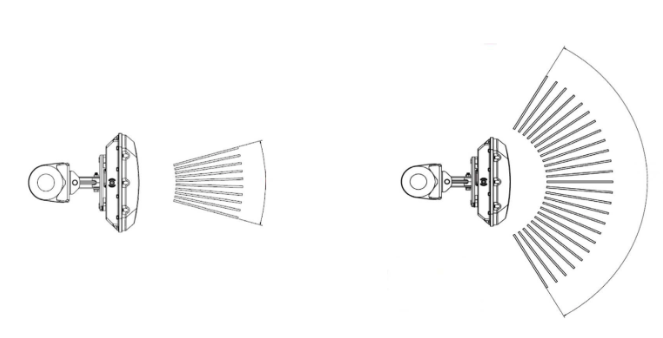
The RUCKUS® T670sn is a high-end Wi-Fi 7, tri-band outdoor AP with a unique programmable directional antenna array that is software-configurable for either narrow-angle or wide-angle coverage, allowing for unmatched precision and range, and enabling deployment models that were not possible before.

T670sn Programmable Software Defined Coverage

This dynamic control minimizes interference while maximizing signal strength and data rates, leading to better connectivity and performance in targeted areas. Additionally, the ability to modify coverage patterns remotely eliminates the need for physical adjustments, making it ideal for scenarios with changing network demands, such as seasonal events or infrastructure expansions.

Key benefits of software defined coverage include:

  • Deployment Flexibility: Software-defined sector coverage allows easy adaptation to changing network needs.
  • Optimized Performance & Signal Control: Reduces interference and enhances connectivity in high-demand areas. Enables the use of wider channels up to 160MHz and 4K QAM, resulting in significantly higher throughput and lower latency.
  • Simplified Network Planning: Eliminates the need for multiple AP types, reducing costs.
  • Dynamic Adaptation: Antenna patterns can be remotely adjusted to suit different crowd conditions.
  • Enhanced Spectral Efficiency: Improves spectrum utilization, reducing co-channel interference.
  • Cost-Effective and Scalable: Enables fewer AP deployments with optimal coverage and performance.

“Ruckus technology has been instrumental in driving our growth across multiple industries. Now, with the launch of the software-configurable antennas, sectorized Wi-Fi 7 Access Points, we’re unlocking smarter, high-capacity network designs tailored to your environment. By optimizing signal patterns for specific density deployments and tapping into the power of both 5GHz and 6GHz frequencies, we can deliver an unmatched Wi-Fi experience—built for performance, reliability, and seamless WLAN service for all connected clients,” says Tim Parkes-Rolfe, Technical Operations Manager at Performance Networks.

RUCKUS T670sn key capabilities

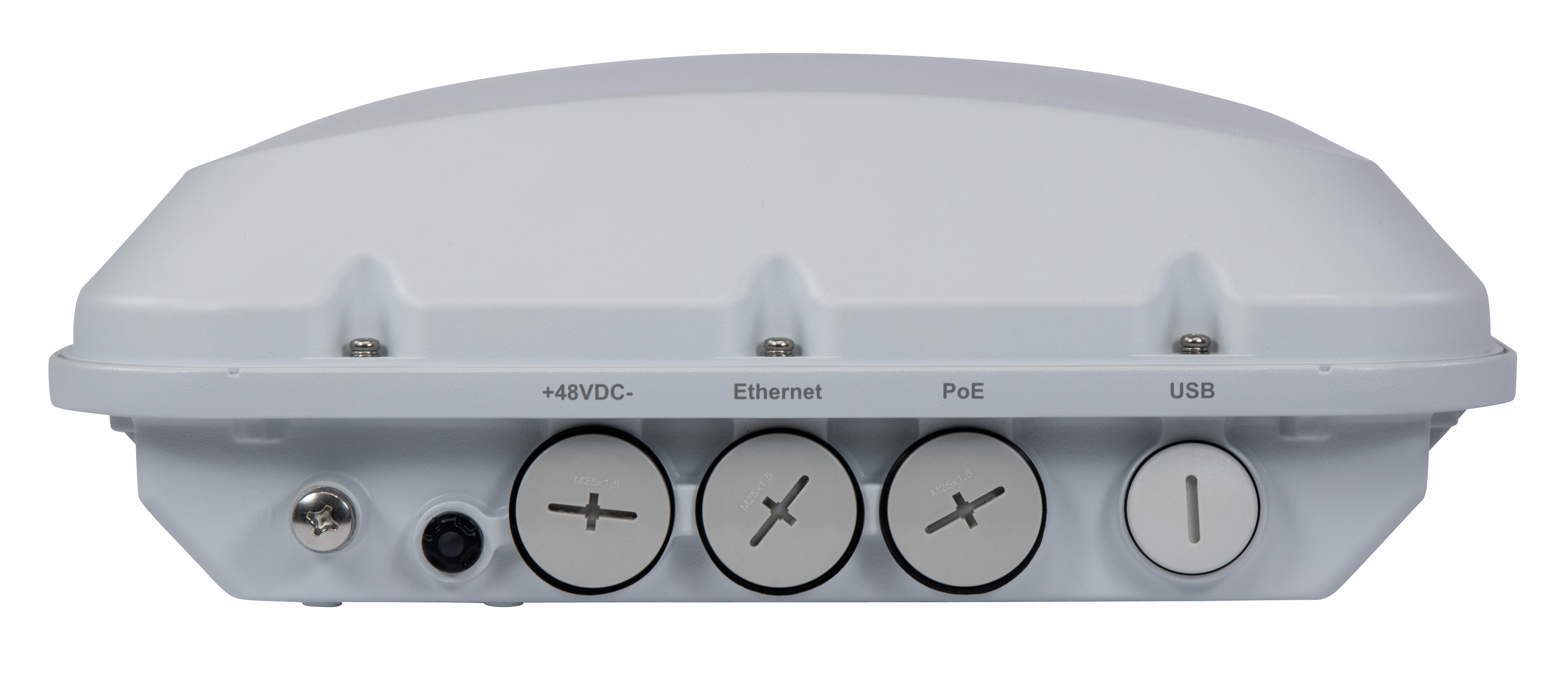
RUCKUS T670SN - 0L5A2647

Tri-band capability and high data rates 

The RUCKUS T670sn supports two radio configurations to support different regulatory domains:

  • Tri-band (2.4GHz + 5GHz + 6GHz) for the US and Canada*: This configuration supports Wi-Fi 7 simultaneously on 2.4GHz, 5GHz, and 6GHz frequency bands, with a maximum physical data rate of 9.336 Gbps.
  • Dual-band (2.4GHz + 5GHz) for global use: This setup offers Wi-Fi 7 simultaneously on both 2.4GHz and 5GHz frequency bands, with a maximum physical data rate of 6.454 Gbps.

Both configurations enable users to experience cutting-edge Wi-Fi 7 features, offering fast and reliable connections regardless of the number of devices or the spectrum they operate on.

Standard power mode in 6 GHz with automatic frequency coordination (AFC) support

Standard Power mode with AFC enables the use of the 6GHz band in the US and Canada for Wi-Fi without interfering with incumbent devices. Integrated with Comsearch® AFC system which leverages nearly five decades of experience in microwave frequency coordination and expertise with cloud-enabled, data-centric dynamic spectrum management systems, T670 dramatically increases range and performance in the 6GHz band while minimizing interference to incumbent devices.

MLO uses multiple bands to simultaneously connect the AP and the user device. Aggregating these discrete links significantly increases throughput, reduces latency, and improves connection reliability, delivering:

  • Link redundancy
  • Link aggregation
  • Link selection

By addressing the unique challenges of crowded environments, Wi-Fi 7 and its MLO feature could substantially enhance both operational efficiencies and user experiences in applications like sports stadiums, providing robust, low latency, and high-speed connectivity.

The T670sn rounds out the RUCKUS Wi-Fi 7 outdoor portfolio for large venues, complementing RUCKUS under-seat deployments with the T670 and its mounting bracket, by adding overhead narrow-angle and wide-angle AP placement options. This end-to-end solution is purpose-built to deliver exceptional wireless performance in stadiums, arenas, and other high-density environments—maximizing speed, capacity, and reliability for both attendees and venue operations.

Flexible management options to fit any IT strategy

While advanced access point (AP) technology is essential for providing reliable outdoor connectivity, the management and assurance platform is critical to delivering a complete, high-performing solution.

The RUCKUS T670sn offers versatile deployment flexibility with support for multiple management platforms, empowering IT teams to choose the model that best aligns with their operational needs, scalability goals, and security policies:

RUCKUS One® AI-driven management and assurance platform 

The RUCKUS One AI-driven, cloud-based converged network management and assurance platform is designed for ease of use and scalability.  The RUCKUS One solution enables centralized management of Wi-Fi, wired, and IoT networks from a single intuitive dashboard. It offers key benefits, including:

  • Efficient network management: RUCKUS One platform provides centralized control and real-time monitoring, streamlining network operations.
  • AI-driven performance optimization: RUCKUS AI™ solution uses machine learning to predict network demand and automatically adjust to dynamic conditions, providing consistent high-speed connectivity, even during peak moments.
  • Scalability: The solution easily scales to meet growing demands as more devices connect.
  • Improved user experience: AI-driven traffic prioritization provides seamless Wi-Fi for streaming, social media, and mobile services by minimizing congestion.
  • Proactive issue resolution: AI insights identify potential issues before they affect performance, allowing for dynamic adjustments and reducing downtime.
  • Lower operational costs: Proactive AI-driven optimization reduces maintenance and manual interventions, saving time and resources.

RUCKUS SmartZone™

For organizations that prefer on-premises control, RUCKUS SmartZone controllers deliver robust, scalable network management with deep visibility and automation. Whether deployed on a physical appliance or virtual machine, RUCKUS SmartZone controllers offer:

  • Centralized management of thousands of APs and switches.
  • Advanced security, policy enforcement, and user control.
  • Seamless support for multi-tenancy and high-availability configurations.
  • Granular control over RF tuning, traffic prioritization, and system updates.

For additional details, check the RUCKUS T670sn product page. 

Transformational spectrum decision catalyzed unprecedented innovation and connectivity advancements

Austin, Texas – April 23, 2025 – Wi-Fi Alliance® proudly marks the fifth anniversary of the U.S. Federal Communications Commission’s (FCC) landmark decision to open the 6 GHz band for unlicensed use, a pivotal milestone that continues to fuel innovation and connectivity through Wi-Fi®. This bold April 2020 decision unlocked billions of dollars in economic value, positioned the U.S. as a global leader in unlicensed spectrum policy, and catalyzed international momentum toward enabling a next-generation Wi-Fi® ecosystem worldwide.

The 6 GHz band has played a critical role in enabling next-generation Wi-Fi – driving the global rollout of Wi-Fi 7 – by relieving network congestion and expanding high-performance connectivity. Since the FCC’s ruling, billions of 6 GHz Wi-Fi devices have entered the market, underscoring the rapid adoption and far-reaching benefits of forward-looking spectrum policy.

“The FCC’s visionary action to open the full 6 GHz band was a pivotal moment for Wi-Fi connectivity and digital transformation globally,” said Kevin Robinson, President and CEO of Wi-Fi Alliance. “Five years on, that leadership continues to drive global spectrum policy, as regulators around the world empower consumers and enterprises with Wi-Fi innovation.” 

Wi-Fi Alliance is proud of the critical role we’ve played at the forefront of advancing 6 GHz Wi-Fi, working tirelessly to support policymakers and industry innovators. As we look ahead, we remain committed to driving further progress in spectrum policy and fostering global connectivity through continued leadership in Wi-Fi advancements.

To mark this milestone, Wi-Fi Alliance is sharing educational resources, a special episode of The Signal podcast, and member company testimonials on the tremendous impact of the full band.

As the demand for high-quality connectivity continues to grow, 6 GHz remains essential to delivering seamless, secure, and scalable Wi-Fi.

Wi-Fi Alliance member testimonials 

“The 6 GHz band for unlicensed use is advancing the wireless landscape, and Boingo is pioneering its real-world deployment across high-density venues with our Wi-Fi 6E and Wi-Fi 7 solutions. From airports and stadiums to hospitals, convention centers and military bases, Boingo helps venues unlock the full potential of the 6 GHz band to deliver faster speeds, greater capacity, and seamless, secure connected experiences—all through our converged network approach.” – Dr. Derek Peterson, CTO, Boingo Wireless

“Five years ago, the FCC’s bold move to open the 6 GHz band didn’t just transform U.S. wireless connectivity—it set a global precedent. Today, countries representing over 75% of the world’s GDP have followed suit, catalyzing a new era of Wi-Fi innovation. With over a billion 6 GHz Wi-Fi devices shipped, it’s quickly becoming the standard for smartphones and laptops. As Wi-Fi 7 proliferates, wireless performance is converging with AI—powering an immersive, intelligent edge. The momentum behind 6 GHz is unstoppable, and the next chapter of Wi-Fi is redefining how we connect, compute, and collaborate.” – Vijay Nagarajan, Vice President of Wireless Communications and Connectivity Division, Broadcom Inc. 

“The FCC’s decision to open the 6 GHz band removed the last performance barrier for the industry. We quickly integrated 6 GHz into the Calix Unlimited Subscriber systems portfolio, building a Wi-Fi CERTIFIED® line so providers can support higher performance and capacity applications for residential, MDUs, and small businesses. The 6 GHz spectrum and the latest Wi-Fi 7 standard are game changers for providers who compete on experience, enabling remote healthcare, smart manufacturing, real-time logistics, and much more. As a contributing member of Wi-Fi Alliance, Calix remains committed to open standards that ensure interoperability and help providers deliver secure, high-performance Wi-Fi 7 experiences at scale.” – Shane Eleniak, chief product officer at Calix 

“As we celebrate the 5-year anniversary of the FCC’s release of the full 6 GHz band for unlicensed use, Cisco acknowledges its transformative impact on wireless connectivity. The availability of 1200 MHz in the 6 GHz spectrum has been vital for advancing network solutions and fostering innovation. Cisco will continue to build innovative technologies that are 6 GHz enabled, reflecting our commitment to connecting the unconnected and driving a digital future for all.” – Matt MacPherson, Wireless CTO at Cisco

“Wi-Fi has become ingrained in our daily lives as the predominant and most ubiquitous wireless technology over the last 26 years. The 6 GHz decision five years ago wasn’t just a regulatory milestone—it marked the beginning of what I call the era of 6 GHz Wi-Fi connectivity and mobility. This newly available spectrum has unlocked unprecedented possibilities and will continue to drive the next wave of wireless innovation. As we celebrate this anniversary, we’re reminded that the real potential of 6 GHz is just starting to unfold. At Extreme, we’re harnessing this spectrum to deliver breakthrough performance—ultra-fast, ultra-reliable connectivity that enables seamless, secure, and high-quality user experiences in even the most demanding environments. For our customers, 6 GHz Wi-Fi isn’t just an upgrade—it’s a promise of fast, frictionless, and dependable wireless access, wherever and whenever it’s needed.” – David Coleman, Director of Wireless Networking, Office of the CTO, Extreme Networks

“Congratulations to the FCC and on the 5th anniversary of its historic decision to expand Wi-Fi into 6 GHz for increased capacity to support the growth of wireless devices and new innovative use cases. As a key advocate of the 6 GHz band, we’re seeing many customers take advantage of these capabilities in their products using our Wi-Fi chips with lower latency and better co-existence with other wireless technologies. As devices become more intelligent and the need for real-time device communication increases, Infineon will continue to work closely with Wi-Fi Alliance, regulatory bodies and partners to ensure our customers have solutions that meet their growing needs across automotive, industrial, enterprise and consumer IoT applications.” –Sivaram Trikutam, SVP of Wireless Connectivity, Infineon Technologies

“I can’t believe it’s been 5 years since the joint Intel-Broadcom demo at the FCC offices in Washington D.C., where we were the first to demonstrate the benefits of 6 GHz Wi-Fi. I remember Chairman Pai sharing our view that 6 GHz is a vital resource, enabling unparalleled Wi-Fi performance and multi-gigabit speeds throughout the home due to clean spectrum and up to 320 MHz channels. I am excited to say that 5 years later, we are seeing 6 GHz adoption exceeding expectations through broad industry collaboration supported by Wi-Fi Alliance certification.” – Eric A. McLaughlin, VP, Client Computing Group, GM, Connectivity Solutions Group, Intel Corporation

“The FCC’s historic 6 GHz decision has driven innovation and product investments, significantly improving connectivity for consumers across the U.S. On the 5th anniversary of this decision, MaxLinear congratulates the FCC and the industry on these advancements. Shortly after the decision, MaxLinear launched its first Wi-Fi 6E product, laying the foundation for our next-generation, industry-leading tri-band single-chip, which includes Wi-Fi 7 baseband and radio processing for all three bands. The high level of integration in MaxLinear’s Wi-Fi 7 single-chip lowers costs for consumers while fully unlocking the potential of the 6 GHz band by improving throughput and reducing latency. These tremendous advancements in Wi-Fi were made possible by the FCC’s decision. MaxLinear remains committed to driving innovation and delivering exceptional experiences for customers and service providers.” – Puneet Sethi, Vice President of MaxLinear’s Network Infrastructure and Carrier Business.

“Five years ago, the FCC’s historic decision to open the 6 GHz spectrum to Wi-Fi marked a transformative milestone in wireless connectivity. Qualcomm Technologies is proud to have been part of a group of industry visionaries who played a pivotal role in driving this change. As we celebrate this anniversary, we reflect on the profound impact this decision has had in unlocking Wi-Fi’s full potential with Wi-Fi 6E, Wi-Fi 7 and beyond, enabling unprecedented connectivity and performance for consumers, businesses, and industries. We look forward to continuing our journey of innovation, ensuring Wi-Fi remains a cornerstone of global connectivity.” – Rahul Patel, Group General Manager, Connectivity, Broadband & Networking (CBN), Qualcomm Technologies, Inc.

“Securing 6 GHz spectrum for the Wi-Fi market not only anchored massive improvements in throughput and latency for consumers/users but also catapulted the technology advancement in semiconductor process, design, and packaging. This additional spectrum supports the continued Wi-Fi standard evolution and ability to accelerate use-case applications fueled by edge compute and AI advancements. These advancements are not just about higher speeds; they are about creating smarter, more responsive environments that can support the growing diversity and density of today’s digital landscape.  As we celebrate this milestone anniversary, we recognize the profound impact these technologies have had on our ability to connect, communicate and innovate. The future of wireless is here and brighter than ever.” – Tony Testa, General Manager, Connectivity Components Business Unit, Qorvo, Inc.

“The action from the FCC was a game-changer, ushering in a new era of enterprise connectivity by paving the way for Wi-Fi 7, which delivers unprecedented levels of speed, reliability, and ultra-low latency for the modern digital enterprise. At RUCKUS Networks, CommScope, we recognized early on that the 6 GHz band would become the backbone of next-gen enterprise wireless. Since that historic 2020 ruling, we’ve been proud to introduce the most complete line of AI-Driven indoor and outdoor Wi-Fi 7 solutions capitalizing on the value of 6 GHz. Opening the band opened up a world of new possibilities and we’re excited to be a part of the revolution.” – Mittal Parekh, Senior Director, Products, RUCKUS Networks, CommScope

“The introduction of 6 GHz Wi-Fi five years ago paved the way for Skyworks to continue advancing our mission of connecting everyone and everything, all the time. As the market continues to evolve and new bandwidth-heavy applications are introduced, we’re proud to be driving and shaping the future for global Wi-Fi adoption through our participation in the Wi-Fi Alliance.” – Chung Liang Lee, director of product marketing for broad markets at Skyworks

“The FCC’s landmark decision to open the 6 GHz band five years ago transformed the Wi-Fi landscape, unlocking unprecedented capacity and paving the way for Wi-Fi 6E and now Wi-Fi 7. At Spirent, we recognized early on the potential of this spectrum to revolutionize connectivity and have been proud to support the industry with state-of-the-art testing and assurance solutions that accelerate innovation and ensure performance. As Wi-Fi continues to evolve, the 6 GHz band remains a cornerstone of next-generation wireless experiences—and Spirent remains at the forefront, helping to turn that potential into reality.” James Kimery, VP of Wireless Product Management at Spirent Communications

With the rise of 5G mobile data and improved network coverage, you might wonder why customers still connect to guest Wi-Fi when visiting businesses. Isn’t mobile data enough? The truth is, guest Wi-Fi remains a powerful tool for both customers and businesses, offering benefits that go beyond internet access. Let’s explore why customers still connect to Wi-Fi and how businesses can use this opportunity to enhance their marketing efforts with tools like captive portals, Wi-Fi Marketing, and other business marketing solutions.

1. Saving Mobile Data

Customers are often cautious about their mobile data usage, especially those on limited plans. Connecting to free Wi-Fi allows them to conserve data for other activities, such as streaming content or browsing apps, making guest Wi-Fi an attractive option.

2. Enhanced Connection Quality

In locations like large buildings, stadiums, or transportation hubs, Wi-Fi often provides a more reliable and faster connection than mobile data. Customers naturally opt for the stronger connection, particularly when they need seamless browsing or streaming.

3. Wi-Fi-Only Devices

Not all devices are equipped with mobile data capabilities. Laptops, tablets, and other Wi-Fi-only devices rely on available networks, especially in coworking spaces, coffee shops, hotels, or conventions. For these users, guest Wi-Fi is essential.

4. Captive Portals for Engagement

A captive portal is a key feature of modern Wi-Fi networks, offering businesses a strategic way to engage with customers. When users connect to a venue’s Wi-Fi, they’re directed to a branded login page where businesses can:

  • Collect customer information like email addresses.
  • Offer incentives such as discounts or loyalty rewards.
  • Promote new products, services, or events.

Captive portals not only enhance the user experience but also provide businesses with valuable data to fuel their Wi-Fi Marketing strategies.

5. Exclusive Perks and Incentives

Businesses can encourage customers to connect to Wi-Fi by offering exclusive perks, such as coupons, special offers, or loyalty points. Platforms like GoZone WiFi’s Marketing4WiFi make it easy for businesses to automate these campaigns and deliver personalized experiences. (Learn how)

6. Access to Premium Services

Guest Wi-Fi can serve as a gateway to premium experiences. For example, a retailer might provide access to exclusive deals, while a stadium could offer live game stats or instant replays. These added-value services create a compelling reason for customers to connect.

7. Convenience and Habit

For many users, connecting to Wi-Fi is second nature. Once they’ve logged in, they’re often automatically reconnected during future visits, creating a seamless and convenient experience.

8. Wi-Fi Marketing and Business Growth

Guest Wi-Fi isn’t just about providing internet access—it’s a cornerstone of effective business marketing solutions. Platforms like GoZone WiFi’s Ads4WiFi allow businesses to:

  • Deliver targeted ads to customers who connect to their network.
  • Promote app downloads or new services.
  • Monetize their Wi-Fi by connecting with advertisers through the Ads4WiFi Marketplace.

By integrating Wi-Fi Marketing into their strategies, businesses can engage customers in real-time, build loyalty, and drive revenue.

9. Real-Time Analytics for Smarter Decisions

Wi-Fi networks equipped with tools like Analytics4WiFi provide businesses with valuable insights into customer behavior. From demographics to visit frequency, these analytics empower businesses to make data-driven decisions and refine their marketing strategies.

10. Offsetting Costs with Ad Revenue

For businesses, offering guest Wi-Fi can be a revenue-generating opportunity. Platforms like GoZone WiFi’s Ads4WiFi help venues offset network costs by earning ad revenue through Wi-Fi connections. This creates a win-win scenario: customers get free internet, and businesses benefit financially.

The Bigger Picture: Beyond Free Internet

While mobile data has improved significantly, guest Wi-Fi offers unique advantages that mobile networks can’t replicate. It’s not just about free internet—it’s about creating opportunities for engagement, delivering personalized marketing, and driving revenue through tools like Wi-Fi Marketing and business marketing solutions.

With platforms like GoZone WiFi, businesses can turn their guest Wi-Fi networks into powerful assets that enhance the customer experience and foster growth. Whether it’s through captive portals, targeted advertising, or real-time analytics, guest Wi-Fi remains a critical tool for businesses looking to stay ahead in today’s competitive landscape.

Conclusion

In a world where mobile data is readily available, guest Wi-Fi continues to play a vital role in connecting businesses with their customers. By leveraging tools like captive portals, Wi-Fi Marketing, and advanced analytics, businesses can create meaningful interactions, drive loyalty, and achieve measurable results.

Ready to transform your guest Wi-Fi into a business growth engine? Explore how GoZone WiFi’s suite of solutions—Marketing4WiFi, Analytics4WiFi, and Ads4WiFi—can help your business thrive.

European broadband operators will be ramping up deployments of Wi-Fi 7-equipped gateways and other devices aggressively this year, explains MediaTek’s James Chen, VP Product & Technology Marketing. The adoption of the latest Wi-Fi standard is the most accelerated ever, as the benefits of Wi-Fi 7, plus a broad range of chipsets providing fast, reliable performance are now available for OEMs to use.

Talking to Wi-Fi NOW, Chen noted, “Nearly all Tier 1 as well as Tier 2 broadband service providers have adopted MediaTek Wi-Fi 7 for fibre gateways, 5G FWA CPEs, and home extenders. Interest is strong in Europe and USA – as well as other parts of the world – and deployments will accelerate into 2026 and 2027,” 

To monitor network performance and guarantee the customer experience for fixed and mobile networks in Brunei, the Government-linked company adopts Eyes’ON solution by SoftAtHome

PARIS, France – 24 April 2025 – SoftAtHome, an independent software company for broadband, video, and analytics, announced today that its Eyes’ON solution is deployed in Unified National Networks (UNN), a government-linked company operating the telecommunication network infrastructure in Brunei Darussalam. UNN adopted Eyes’ON Mobile and Eyes’ON Fixed Networks to monitor the performance of its networks from an end-to-end perspective to better improve the quality od experience for Brunei’s end-users.

Eyes/ON allows users to investigate any fixed or mobile network issue that impacts end-user experience. The solution was chosen for its efficiency to ensure the network’s performance and because, thanks to its mobile applications, the agent is close to the end-user. For the fixed network, Eyes’ON is embedded in a probe (also called whitebox), sent to the subscriber in case of a connectivity issue, or sent randomly to test the network proactively. Installation of the white box helps the work of field technicians.

Building upon a customized mobile application or embedded in a dedicated device in end-user’s homes, Eyes’ON provides extended resources beyond mere throughput testing thanks to flexible test procedures. It also delivers a complete diagnosis through specific test procedures, including network coverage, signal strength, throughput, streaming performance and app or web service availability. Immediately after installation and tests, UNN can get a detailed and easy-to-understand report on main performance metrics captured with a truly end-user perspective.

UNN Senior Vice President of Operations, Zulyada’in Hj Ibrahim Fisal said, “At UNN, we are committed to continuously improving network performance and ensuring the best possible connectivity experience for our customers. The deployment of Eyes’ON enables us to proactively monitor and enhance both mobile and fixed networks with greater efficiency. This initiative aligns with our vision to provide high-quality, reliable, and future-ready network services across Brunei.”

Arnaud Bellivier de Prin, CEO at SoftAtHome, said, “We are proud of the trust placed in us by UNN Brunei to ease their day-to-day missions and improve the Quality of Experience for Brunei’s very demanding end-users. Our Eyes’ON solution for Fixed and Mobile networks enables them to guarantee the best possible network performances, thanks to an end-to-end connected experience monitoring solution.”

###


About SoftAtHome

SoftAtHome is an independent software provider with seven critical solutions: broadband (Connect’ON), Wi-Fi (Wifi’ON), security (Secure’ON), smart home (Things’ON), video (Watch’ON), analytics and QoE monitoring (Eyes’ON), and a new gateway Appstore environment (Orchestr’ON). With its products deployed in over 30 million home networks and millions of mobile devices, SoftAtHome helps telecom and network operators deliver enhanced digital home experiences. The company’s 300+ employees, mainly software engineers, are committed to innovation and actively contribute to open-source communities like prpl. SoftAtHome’s hybrid solutions leverage cloud-based components and software embedded in multiple mobile and fixed devices.

For more information: www.softathome.com or [email protected]

CX4800-56F Aggregation Switch Features 48 10GbE/25GbE SFP28 and 8 100GbE QSFP28 Ports to Boost Productivity, Lower Latency, and Maximize Application Performance


ANAHEIM, California (April 29, 2025) Zyxel Networks, a leader in delivering secure, AI- and cloud-powered business and home networking solutions, today announced the launch of CX4800-56F 48-port 10G/25G L3 Aggregation Fiber Switch with 8 100G Uplinks, a high-performance Layer 3 managed switch that offers a future-proof network solution that supports today’s 10GbE network demands and future 25GbE network upgrades.

Ideal for supporting the growing bandwidth requirements of enterprise and campus aggregation network environments, the high-density CX4800-56F features upgradable 48 10GbE/25GbE SFP28 ports and incorporates eight 100GbE QSFP28 uplink ports that provide large uplinks to support cross-stack bandwidth delivery. In addition to a non-blocking architecture that delivers full 25GbE throughput on every port, even under heavy traffic conditions, the switch meets the requirements for advanced Layer 2 switching and static routing including VLAN, network access control list (ACL), port aggregation and mirroring, and security features that protect the daily operation of the network.

CX4800-56F provides high-performance switching capacity of up to 4.0Tbps with forwarding rates of up to 2.0Bpps, providing faster data transfer speeds that boost productivity in organizations with high data volumes such as video production companies and scientific research institutions. High bandwidth and low latency ensure top application performance for companies that rely on cloud-based services and real-time applications such as VoIP, video conferencing, and virtualized environments.

Benefits and Features of CX4800-56F Aggregation Fiber Switch include:


  • NebulaFlex Pro – NebulaFlex Pro enables the switch to be easily managed as a standalone device or as part of a cloud-managed network using the intuitive Nebula Control Center (NCC). A one-year professional pack license bundle provides users with features including advanced IGMP technology, comprehensive IPTV reports that provide insights to channel usage information, and network analytics alerts to optimize network performance.
  • Resiliency and Availability – Dual redundant, hot-swappable power supplies ensure there is no downtime in the event of a power supply outage. Hot-swappable fan trays safeguard against fan failures or rising temperatures. Ease of maintenance eliminates the need for scheduled system downtime if power supplies or fans need to be replaced.
  • Dedicated Networked AV Mode – The dedicated networked AV mode incorporates an intuitive wizard backed by AI intelligence to make the set-up of professional AVoIP systems easy and intuitive. In addition to a hardware design that delivers lossless and latency-free 4K video streaming over a 10GbE network, the intuitive graphical status overview of the key AV network elements, such as IGMP and IP information, helps users manage and monitor the system with ease.

“Organizations that process high volumes of data, like video production companies and scientific research institutions, are looking to next-generation networks that can deliver the faster speeds and lower latency that boost productivity and deliver the best user experience,” stated Tri Nguyen, Channel Sales and Product Manager at Zyxel Networks. “Zyxel’s CX4800-56F is a future-proof solution that supports 10GbE requirements today and is easily upgraded to support future 25GbE requirements, enabling the switch to meet the evolving bandwidth requirements of the network while protecting the wired network investment.”

Zyxel Networks CX4800-56F 48-port 10G/25G L3 Aggregation Fiber Switch carries a limited lifetime warranty and is available at a street price of $6899.99 through Amazon and Zyxel Store. The switch is also available through Zyxel Authorized Distributors: D&H, IngramMicro, TD Synnex, Target, and Wav, BlueStar, Zyxel Authorized VARs and MSPs, and online at other leading e-tailers.

For more information about Zyxel, its connectivity solutions, and the Zyxel Authorized Partner Program, visit www.zyxel.com/us and follow us on Facebook, X(formerly Twitter) and LinkedIn.

About Zyxel:

Zyxel Networks is a technology provider with over 30 years of experience, specializing in delivering solutions for small to medium-sized businesses and the enterprise-edge in partnership with VARs, MSPs and System Integrators. We enable network professionals to connect and protect organizations with greater ease by bringing together intuitive, scalable and secure cloud management with a complete portfolio of network devices.

Content filtering and threat blocking via DNS is the unsung hero of the cybersecurity stack, quietly doing its job while flashier tools grab the spotlight. Managed Service Providers (MSPs) often overlook this layer of protection, despite its simplicity and effectiveness. This oversight is a missed opportunity, as securing DNS can significantly reduce client risk without adding complexity or overhead.

At its core, protective DNS acts as a gatekeeper, scrutinizing every web request before it reaches the internet. This proactive approach means threats like phishing, malware, and command-and-control callbacks are stopped in their tracks. By blocking access to malicious domains, DNS filtering prevents potential threats from ever reaching the network, making it a crucial first line of defense.

The advantages for MSPs are clear. DNS filtering offers MSPs a straightforward way to enhance their cybersecurity offerings, providing clients with peace of mind. MSPs can reduce the likelihood of security incidents, protect sensitive data, and maintain client trust. In a world where cyber threats are constantly evolving, content filtering and threat blocking via DNS is a simple yet powerful tool that MSPs can’t afford to ignore.

How DNS Filtering Works

Protective DNS operates like a traffic cop, directing web traffic and ensuring only safe destinations are reached. At its core, the Domain Name System translates human-friendly domain names into IP addresses that computers use to identify each other on the network. When a user types a URL into their browser, a DNS query is sent to a DNS server, which responds with the corresponding IP address, allowing the connection to proceed.

Here’s where DNS filtering steps in. The queries are intercepted and checked against a list of known malicious domains. If a domain is flagged as harmful, DNSFilter blocks the request, preventing the user from accessing the site. This process happens in milliseconds, often without the user even realizing it. By stopping threats at the DNS level, harmful content is blocked before it can reach the network, reducing the risk of infection or data breach.

The beauty of protective DNS lies in its simplicity and efficiency. There’s no need for complex installations or heavy resource consumption. Instead, it leverages existing DNS infrastructure, making it a lightweight yet powerful addition to any cybersecurity stack.

DNSFilter’s content filtering and threat blocking is continuously updated with the latest threat intelligence, adapting to new threats as they emerge. This dynamic nature ensures that MSPs can offer their clients up-to-date protection against the ever-evolving landscape of cyber threats.

Protective DNS in a Layered Defense Strategy

In the grand scheme of cybersecurity, DNS receives less attention than it deserves. While firewalls, antivirus software, and intrusion detection systems play their parts, protective DNS is the first to engage, intercepting threats at the earliest stage. This proactive stance is crucial in a world where milliseconds can mean the difference between safety and breach.

DNS protection complements other security measures by acting as an early warning system. It identifies and blocks malicious domains before they can deliver their payloads, effectively neutralizing threats like phishing and malware. This preemptive action reduces the burden on downstream security tools, allowing them to focus on more sophisticated threats that slip through the initial net. By filtering out the noise, protective DNS ensures that other defenses operate more efficiently, reducing false positives and enhancing overall system performance.

Protective DNS is a critical player in defending against command-and-control callbacks. These insidious threats rely on compromised devices communicating with external servers to receive instructions. By blocking these communications at the DNS level, MSPs can disrupt the attack chain, preventing further damage and data exfiltration. This capability is particularly valuable in the fight against ransomware, where early detection and intervention can save clients from catastrophic losses.

Incorporating a DNS filtering solution into a broader cybersecurity framework is not just about adding another layer; it’s about creating a cohesive, multi-faceted defense strategy. By integrating a tool like DNSFilter with other security measures, MSPs can offer a comprehensive solution that addresses threats at every stage of the attack lifecycle. This holistic approach not only enhances protection but also builds client confidence, demonstrating a commitment to safeguarding their digital assets.

Misconceptions and Challenges

Despite its clear benefits, security at the DNS layer is still one of the most misunderstood aspects of a cybersecurity stack.

Myth #1: DNS filtering is redundant if you already have firewalls, endpoint protection, and threat detection systems.

This completely ignores DNS’s unique role as a front-line filter—stopping threats before they even resolve. Protective DNS doesn’t replace those layers; it shields them. In fact, it’s often the only layer that can block threats before a connection is made.

Myth #2: DNS filtering is ineffective at preventing attacks.

This couldn’t be further from the truth. Research shows that 78% of cyberattacks involve the DNS layer—which means if you’re not filtering DNS, you’re blind to the majority of threats targeting your network. Blocking malicious domains before a device can even reach them is one of the most efficient ways to stop command-and-control callbacks, phishing attempts, and drive-by downloads.

Myth #3: The “just throw a free blocklist at it” mindset.

While open-source blocklists might catch yesterday’s threats, they don’t adapt. Real protective DNS requires real-time domain intelligence—like the kind DNSFilter continuously gathers, analyzes, and refines using AI and threat researchers. It’s this dynamic threat detection, not a static list, that prevents breaches at scale.

Myth #4: Legitimate sites will be blocked and disrupt client operations due to false positives. 

While no system is infallible, modern protective DNS solutions like DNSFilter are highly accurate, continuously updated with threat intelligence to minimize such occurrences. Customizable policies allow MSPs to tailor the filtering to specific client needs, ensuring business continuity.

Myth #5: DNS security adds unnecessary expense.

The cost of implementing protective DNS is often outweighed by the savings from preventing breaches and reducing incident response efforts. By positioning content filtering as a cost-effective enhancement rather than an additional burden, MSPs can overcome this hurdle.

To address these challenges and myths, MSPs should focus on education and clear communication with clients. Demonstrating the tangible benefits and ease of integration can dispel myths and build confidence. By highlighting real-world success stories and providing transparent cost-benefit analyses, MSPs can effectively advocate for protective DNS as a vital component of a comprehensive cybersecurity strategy.

Integrating DNS Filtering: A Practical Roadmap

For MSPs ready to harness the power of a tool like DNSFilter, a strategic approach is key:

  1. Assess your current cybersecurity framework to identify where protective DNS can fill gaps. This initial evaluation helps tailor the integration process to your specific needs, ensuring a seamless fit with existing systems.
  2. Choose a content filtering solution, like DNSFIlter, that aligns with your service model. Look for providers offering robust threat intelligence, customizable settings, and easy integration with minimal disruption. Many solutions offer trial periods, like DNSFilter’s 14-day trial period, allowing you to test their effectiveness before full deployment.
  3. Once you’ve selected a solution, focus on implementation. Begin with a pilot program for a small group of clients to fine-tune settings and address any issues. This phased approach minimizes risk and provides valuable insights for broader rollout. During this stage, work closely with your DNS provider to leverage their expertise and support.
  4. Training is crucial. Educate your team on the nuances of protective DNS, ensuring they understand its role and functionality. This knowledge empowers them to effectively manage the system and address client queries. Additionally, provide clients with clear, concise information about the benefits to foster trust and transparency.
  5. To maximize impact, regularly review your policy configurations based on the latest threat intelligence. This proactive stance keeps your defenses sharp and responsive to emerging threats. Encourage clients to report any issues or false positives, using their feedback to refine your approach.
  6. Position content filtering as a key differentiator in your service offerings. Highlight its role in reducing incidents and protecting sensitive data, using real-world success stories to illustrate its value. By showcasing tangible results, you can enhance client trust and loyalty.
  7. Finally, continuously evaluate and adapt your security strategy. Cyber threats evolve rapidly, and staying ahead requires vigilance and flexibility. Regularly review your system’s performance, making adjustments as needed to maintain optimal protection.

The Easy Win for MSPs

For MSPs, DNS-layer security offers an uncomplicated path to significantly reduce client risk. Protective DNS intercepts threats before they can infiltrate networks, providing a proactive shield against phishing, malware, and command-and-control callbacks. This not only enhances the overall security posture but also alleviates the burden on other security measures, allowing them to operate more efficiently.

Integration is neither costly nor complex. With minimal disruption, MSPs can incorporate a DNS filtering solution into their existing frameworks, leveraging it as a cost-effective enhancement rather than an additional burden. By educating clients and dispelling common misconceptions, MSPs can position protective DNS as a vital component of a comprehensive cybersecurity strategy.

MSPs can no longer afford to ignore the overlooked gem that is DNS. It offers a low-overhead, high-impact solution that not only protects clients but also differentiates MSPs in a crowded marketplace. By embracing protective DNS, MSPs can deliver measurable results, enhance client trust, and solidify their role as leaders in proactive cyber defense.